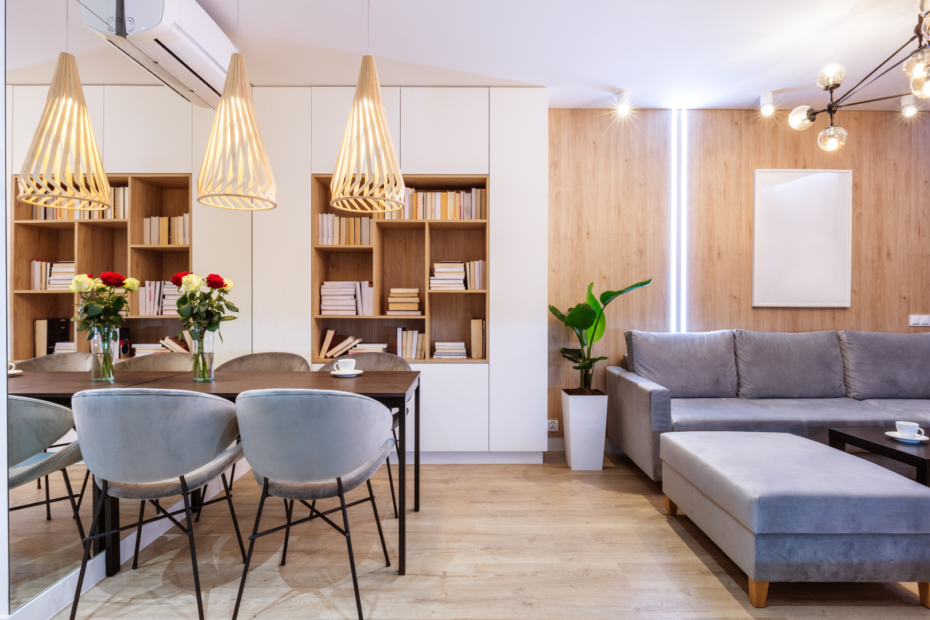
Small rooms often feel cramped and dark, but there are simple design strategies to make them appear more spacious and filled with light. Using light colours, maximising natural light, and choosing appropriately scaled furniture can significantly open up a room. These techniques help to visually expand the space without costly renovations.
Incorporating mirrors and clever storage solutions also plays a key role in enhancing both brightness and the sense of roominess. By understanding how light interacts with different surfaces and how clutter affects perception, anyone can create a more inviting and airy atmosphere in small rooms.
Foundational Principles For Making Small Rooms Feel Bigger And Brighter
Maximising light, optimising space, and planning the arrangement are key to enhancing small rooms. Using colour strategically, designing flow carefully, and drawing on natural light can significantly change how a room feels.
The Role Of Colour And Light Tones
Colour choice directly impacts the perception of space in small rooms. Light, neutral colours such as soft whites, pale greys, and muted pastels reflect more light, making walls recede visually. This helps a room appear more open and less confined.
Matte or eggshell finishes reduce glare while still brightening the room. Introducing subtle contrast through fixtures or furniture in gentle tones keeps interest without overwhelming the small space.
Using light tones on ceilings as well as walls lifts the room’s vertical dimension. Painting trim and mouldings slightly lighter than walls creates depth without breaking the flow.
Understanding Room Layout And Flow
The layout should create clear, unobstructed pathways to improve flow and usability. Positioning larger furniture against walls opens the central floor area, which prevents the space from feeling cramped.
Multi-functional and appropriately scaled furniture helps eliminate clutter. Items like foldaway tables or storage ottomans maintain mobility and contribute to a streamlined environment.
Arranging seating to face windows or focal points draws attention outward, expanding perceived space. Avoid overcrowding corners to let each area ‘breathe’ and feel distinct.
Harnessing Natural Light
Natural light is a primary factor in making small rooms feel bigger and brighter. Maximising window exposure by using sheer curtains or blinds allows sunlight to flood the space effectively.
Mirrors placed opposite or adjacent to windows reflect light deeper into the room and create an illusion of depth.
Minimising heavy draperies and bulky window furniture keeps sill areas free for light to spread naturally. If windows are small, lighter furnishings near them help amplify brightness.
Smart Interior Design Techniques For Expansive Small Spaces
Creating the illusion of a larger, brighter room requires thoughtful choices in furniture, smart use of vertical space, and effective decluttering. Each element contributes to maximising openness and light in confined areas.
Optimal Furniture Selection And Placement
Selecting furniture scaled proportionally to the room is essential. Sofas and beds with exposed legs create a sense of airiness, avoiding bulky shapes that dominate the floor space. Multi-functional pieces like ottomans with storage or fold-out beds reduce the need for additional items.
Placement is equally important. Positioning furniture away from walls can create natural pathways and a more dynamic flow. Keeping seating arrangements open, rather than blocking views with large pieces, allows light to pass through, enhancing brightness.
Avoid overcrowding by limiting the number of larger pieces. Instead, choose smaller, lighter furnishings that encourage ease of movement.
Maximising Vertical Space
Small rooms benefit from utilising walls as storage and display areas. Tall shelves draw the eye upwards, making ceilings appear higher and providing valuable storage without reducing floor area.
Floating shelves keep the floor clear while adding surface area for books, décor or plants, which also bring in natural elements. Hooks and wall-mounted organisers free up flat surfaces and reduce clutter.
Using vertical space efficiently requires choosing shelves that complement the room’s height and style. Slimline units or stacking modular storage can maximise capacity without overwhelming the room visually.
Decluttering For Openness And Clarity
Clearing unnecessary items from small rooms frees visual space and strengthens the feeling of openness. Regularly sorting through possessions and removing what isn’t used helps maintain order.
Storage systems that conceal clutter enhance this effect. Boxes, baskets, or ottomans with hidden compartments keep everyday items out of sight.
Organising essentials neatly — such as placing books on shelves and keeping surfaces bare — prevents overcrowding. Minimalism in decoration, combined with clear floor space, allows light to spread naturally, making rooms brighter and more inviting.
Lighting, Mirrors, And Reflective Elements To Create Brightness
Effective lighting and reflective elements can significantly enhance the perception of space in a small room. Using multiple light sources, strategically placed mirrors, and shiny surfaces helps distribute light evenly and adds depth. These methods work together to brighten the area and make it feel more open.
Layered Lighting Solutions
Layered lighting combines different types of light to illuminate the room evenly. Natural light is essential; maximise it by using sheer curtains that allow sunlight to pass through without glare. Recessed lighting installed in the ceiling provides unobtrusive ambient light.
Floor lamps and table lamps add task and accent lighting, which helps reduce shadows and creates visual interest. Position lamps in corners or near seating areas to balance illumination. Using dimmable bulbs is recommended to adjust brightness depending on the time of day or activities.
The Power Of Mirrors And Mirrored Walls
Mirrors reflect both natural and artificial light, increasing brightness and creating the illusion of extra space. A large mirror placed opposite a window can double the amount of sunlight entering the room.
Mirrored walls are effective but should be used sparingly to avoid overwhelming the space. Mirrors with simple frames or frameless designs maintain a clean, open look without drawing too much attention. Multiple smaller mirrors arranged decoratively can also spread light and add depth.
Reflective Surfaces For Amplifying Space
Reflective surfaces beyond mirrors contribute to brightness and openness. Glossy floor tiles, polished countertops, or metallic decor pieces bounce light across the room. Using light-coloured, semi-gloss paints on walls and ceilings enhances these effects.
Furniture with glass or lacquered finishes offers additional reflection without bulk. Combining reflective materials with soft textures and warm lighting balances the space, preventing it from feeling cold or stark.
Decor And Storage Ideas For A Light, Open Ambience
Creating a spacious and bright feel in small rooms depends largely on smart use of light materials and functional storage. Selecting the right window treatments, optimising vertical spaces, and adding natural elements with texture all contribute to an open atmosphere.
Choosing Airy Window Treatments
Sheer curtains are ideal in small rooms where natural light is limited. They allow sunlight to filter through while preserving privacy. Light-coloured fabrics such as white, cream, or soft pastels keep the room feeling fresh and unobstructed.
Heavy drapes can make a space feel confined. Instead, curtains should be mounted high and wide beyond the window frame, maximising the visible daylight. This draws the eye upward and adds height without crowding the space.
For added functionality and style, roman blinds in a light, translucent fabric offer a clean look with moderate light control. Using minimal hardware and avoiding bulky rods also maintains the room’s airy quality.
Integrating Shelves And Vertical Decor
Shelves are essential for utilising vertical space in small rooms. Floating shelves keep the floor clear and prevent clutter build-up. Positioning shelves higher on the wall redirects attention upward, expanding the perceived room height.
Open shelving in light wood or white finishes reflects light and reduces visual weight. Mixing practical storage with decorative items balances functionality and aesthetics. It is important to avoid overcrowding shelves to maintain openness.
Vertical decor, such as tall mirrors or slim artwork, continues this upwards visual flow. Placing mirrors strategically opposite windows increases natural light reflection, effectively brightening the room.
Incorporating Plants And Textural Accents
Hanging plants free up floor space while adding life and softness to a small room. They contribute greenery without weighing down the area. Choose trailing plants in simple, unobtrusive holders to maintain the sense of openness.
Textural accents, like woven baskets or linen cushions, introduce subtle dimension without darkening the space. Keeping textures light in tone complements natural light, maintaining brightness.
Using a limited palette of textures and colours prevents visual clutter. Combining plants and carefully selected soft textiles enhances the room’s welcoming yet open ambience.