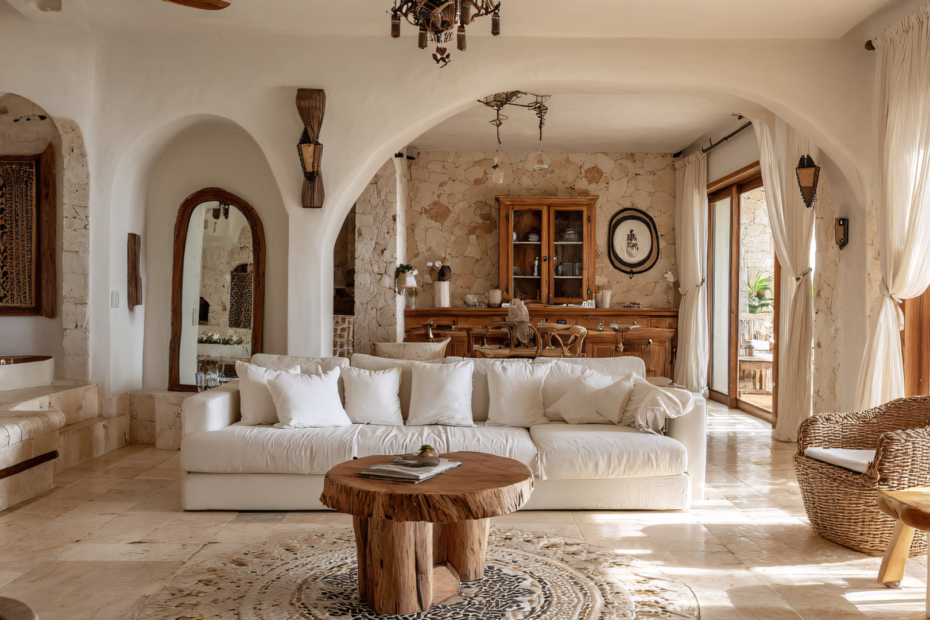
Blending classic and modern design elements creates spaces that feel both timeless and fresh. It involves combining traditional materials, shapes, or patterns with contemporary styles and finishes to achieve balance. The key is to mix familiar, enduring features with clean, current accents without letting either dominate.
Successful integration relies on selecting complementary colours, textures, and furnishings that work harmoniously. This approach allows a room to respect its past while reflecting present-day tastes and functionality. It is about thoughtful contrast, not clash.
By understanding the principles behind both design styles, anyone can create interiors that feel cohesive and inviting. The right blend enhances character and adds depth to any space.
Core Principles of Blending Classic and Modern Design
Blending classic and modern design requires purposeful choices to create harmony between timeless sophistication and contemporary simplicity. Key aspects include understanding style characteristics, deciding how much of each to mix, and choosing a stable neutral palette to anchor the space.
Defining Traditional and Modern Styles
Traditional design emphasises elegance through ornate detailing, rich textures, and classic furniture forms like wingback chairs or carved wood. It often includes warm colour schemes and historical influences that convey comfort and formality.
Modern design focuses on minimalism, clean lines, and functional simplicity. Materials such as glass, steel, and natural wood feature prominently, paired with a light and often neutral colour palette. It rejects unnecessary decoration, favouring open spaces and practical layouts.
Recognising these core differences helps in intentionally combining elements without clashes. For example, balancing a classic chandelier with sleek modern seating introduces contrast that can work when done carefully.
Finding Your Signature Balance
Finding the right blend between traditional and modern design is a personal process. Some prefer a 70/30 split, leaning more towards one style while incorporating subtle elements of the other to maintain cohesion.
Key factors include the purpose of the room and existing architecture. In a Victorian home, modern accents might be limited to accessories, while a new build can carry a traditional rug or vintage artwork to introduce warmth.
Using a conversational colour palette or repeating shapes and textural cues from one style in the other establishes visual flow. This blend ensures neither style feels out of place or overpowers the space.
The Importance of a Neutral Base
A neutral base acts as the foundation on which classic and modern elements interact. Shades of beige, grey, or soft white create a calm backdrop that enhances both styles without competing.
Neutral walls, floors, and large furniture pieces allow flexibility and longevity in design. They prevent the space from feeling busy or fragmented when combining ornate traditional details with the starkness of modern forms.
Texture and subtle colour variations within the neutral palette can add depth and warmth. This approach maintains sophistication and balance, making the blend feel intentional and cohesive.
Unifying Spaces through Colour, Architecture, and Layout
Creating a unified space relies on deliberate choices in colour, architecture, and room arrangement. Each element plays a role in connecting classic and modern styles seamlessly within a home.
Establishing a Cohesive Colour Palette
Selecting a consistent colour palette bridges the gap between traditional and modern design. Neutral tones like soft greys, warm beiges, and muted blues work well as foundations. These shades complement classic features such as wainscoting or a stone fireplace while supporting modern accents.
Introducing accent colours through soft furnishings or artwork can add depth without overwhelming the space. For example, a bold navy cushion can modernise a traditional sofa without clashing. Maintaining a balance between warm and cool tones prevents the palette from skewing too historic or too stark.
Using similar colour saturations across materials and finishes helps unify contrasting eras. Matte paints on walls paired with gloss finishes on trim maintain visual interest and cohesion.
Highlighting Architectural Features
Architectural features provide natural focal points that define a space’s character. Preserving elements like wainscoting or a stone fireplace sharpens the classic feel. Simply refreshing them with modern colours or minimalist accessories can make these features feel current.
It is important not to over-embellish these elements. Clean lines in cabinetry or lighting allow architectural details to stand out without competing for attention. For example, pairing ornate crown mouldings with sleek, modern light fixtures balances formality and simplicity.
Open shelving near a stone fireplace can blend a display of contemporary décor with the warmth of traditional architecture. Retaining original flooring or exposed beams also enhances the mix without requiring full restoration.
Achieving Harmony in Room Layout
Layout validates the purpose and connection of spaces, guiding flow while supporting design styles. Traditional rooms often follow symmetrical arrangements, which can be softened by asymmetrical furniture placement common in contemporary design.
Zoning spaces with rugs or furniture clusters helps define function without isolating areas. Positioning seating around a stone fireplace invites comfort, while allowing clear pathways to maintain modern openness.
Incorporating multifunctional furniture supports flexible use without sacrificing classic style. For instance, a sleek ottoman with hidden storage complements a traditional sitting area and adds practicality. Balancing scale and proportion ensures neither style overwhelms the other in any room.
Integrating Key Furnishings and Decor
Blending classic and modern design requires careful selection of key furniture and decor elements. The process involves choosing appropriate pieces, highlighting focal points, and achieving a harmonious balance between traditional and contemporary styles.
Selecting Classic and Modern Furniture
The core of blending styles lies in identifying pieces that complement each other. Classic furniture, such as a wooden dining table with intricate detail, pairs well with clean-lined, minimalist sofas. This contrast emphasises both comfort and elegance.
When combining these styles, consider scale and colour. Classic furniture often features rich wood tones, while modern furniture leans towards neutral palettes and streamlined shapes. Proper placement ensures neither style dominates but instead creates a seamless transition.
Durability and material choice matter as well. Opt for traditionally crafted wood items alongside modern pieces made from metals or glass to add texture and visual interest.
Choosing Statement Pieces
Statement pieces anchor the design by drawing attention and establishing character. A traditional wooden dining table with distinct craftsmanship creates a strong focal point in a room balanced by sleek, modern seating.
Incorporating one or two statement pieces, such as a bold, contemporary light fixture or an antique cabinet, signals intentional style blending. These items should contrast yet resonate with the surrounding furniture, enhancing the room’s narrative.
Avoid overcrowding the space. Statement pieces require breathing room to have an impact. Position them where natural light or sightlines accentuate their features.
Balancing Traditional Decor and Modern Accents
Traditional decor elements like ornate mirrors, patterned rugs, or classic lamps complement a room grounded by modern furniture. Use modern accents such as minimal vases, geometric cushions, or abstract art to soften the traditional look.
Balance is achieved by alternating textures and finishes. For example, pair a richly detailed rug with a streamlined, monochrome sofa. This method maintains visual harmony without stylistic conflict.
Colour coordination enhances cohesion. Choose a limited palette where traditional colours such as deep reds or golds are tempered by modern greys or whites, tying the space together effectively.
Mastering Texture and Material Combinations
Blending textures and materials effectively creates a balanced space that feels both timeless and current. The focus lies in contrasting tactile elements and choosing the right materials to highlight cultural and aesthetic values.
Mixing Textures for Depth and Interest
Combining various textures adds dimension to any design. For example, pairing a rough-hewn wooden table with a smooth marble surface introduces visual tension. This contrast invites touch and keeps the eye engaged, preventing monotony.
Soft textures like velvet or linen can be layered over harder surfaces such as glass or polished metal. This alternation creates a dynamic interplay where each texture amplifies the other’s presence. Careful balance is key—too many competing textures can overwhelm the space.
Pairing Rich and Contemporary Materials
Classic design benefits from integrating rich fabrics such as brocade, velvet, or leather with more modern materials like acrylic or concrete. By juxtaposing these, one can maintain warmth while introducing sleekness.
Mix materials to avoid a dated look. For example, an antique wooden frame can support a glass tabletop, or a leather armchair can sit alongside a minimalist steel side table. This approach bridges eras without clashing.
Utilising Polished Metal and Plush Fabrics
Polished metals like brass or chrome inject a reflective quality that brightens and modernises. When paired with plush fabrics, such as soft velvet cushions or drapes, the result is a balance between cold and warm finishes.
This combination achieves sophistication by contrasting hard and soft surfaces. Metal light fixtures above velvet-upholstered seating demonstrate this mix well. It creates an inviting yet polished atmosphere suited for transitional interiors.