
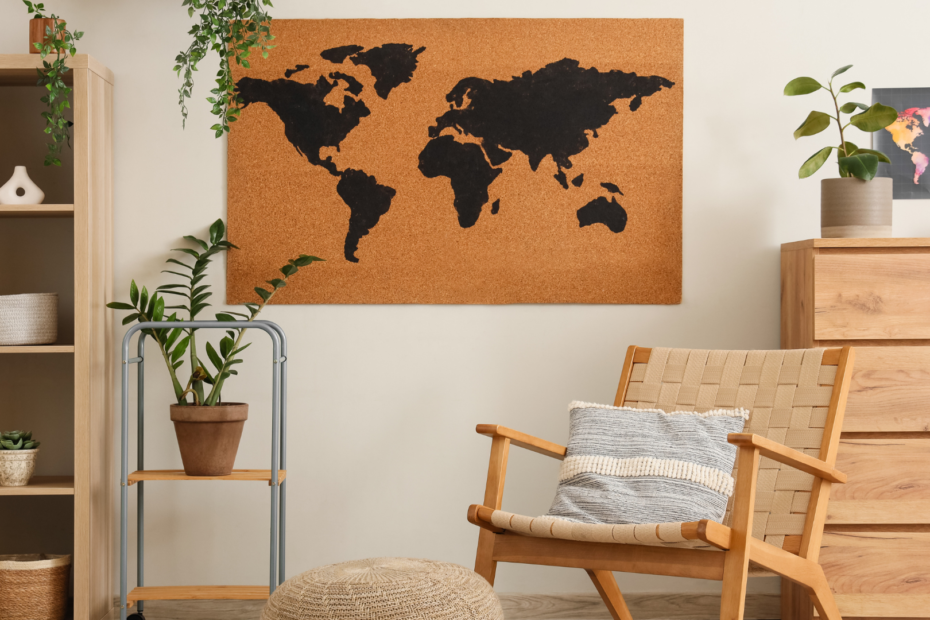
Travel offers a wealth of inspiration for interior design, bringing unique styles, colours, and textures from different cultures into the home. By incorporating elements discovered during travel, interiors can feel more personal, authentic, and globally inspired.
The key to travel-inspired interior design is selecting pieces and motifs that reflect the places visited while maintaining a cohesive look. This approach allows for a balanced blend of adventure and comfort, making spaces interesting without feeling cluttered.
Whether it’s Moroccan rugs, Scandinavian minimalism, or tropical colours, travel provides a rich palette to enhance any room. Using these influences thoughtfully can transform interiors into inviting spaces that tell a story.
Fundamental Elements Of Travel-Inspired Interior Design
Travel-inspired interior design draws from diverse cultural aesthetics, natural resources, and vivid colour stories. It balances both bold and subtle elements to create spaces that evoke memories and experiences from different parts of the world.
Colour Palettes From Around The World
Colour palettes play a crucial role in travel-inspired interiors. For instance, Mediterranean homes are characterised by deep blues and crisp whites, reflecting the sea and sky. In contrast, Moroccan interiors often embrace warm reds, oranges, and earthy browns, which create a sense of richness and warmth.
Asian design typically includes muted tones such as jade green or soft greys to evoke calm and balance. Selecting a colour palette inspired by a particular region helps anchor the design with authenticity and cultural relevance.
When choosing colours, consider how they interact within the overall home design. Combining complementary shades or using accents like textiles and cushions can provide depth while maintaining harmony.
Blending Global Styles And Aesthetics
Travel-inspired design often involves mixing styles from various cultures. This can mean pairing Scandinavian minimalism with handcrafted Indian textiles or combining rustic African décor pieces with sleek modern furniture.
The key is balance: avoid overwhelming a space with too many competing elements. For example, a neutral base can highlight a standout piece such as a Japanese shoji screen or a Turkish rug.
Layering creates interest by mixing textures and patterns that echo specific regions. Thoughtful selection ensures each element contributes to a cohesive narrative rather than a cluttered look.
Incorporating Natural Materials In Home Design
Natural materials are foundational in travel-inspired interiors. Wood, stone, bamboo, and rattan are commonly used to introduce texture and authenticity.
For example, teak wood furniture embodies craftsmanship found in Southeast Asia. Similarly, clay tiles and raw stonework evoke Mediterranean influences.
Using natural materials not only honours traditional building techniques but also adds tactile warmth to a space. Textured elements like jute rugs or linen curtains bring an organic feel that complements the colour palette and global accents within the design.
Textiles And Patterns: Bringing Cultures Home
Textiles and patterns rooted in diverse cultures add depth and character to any interior. Thoughtful sourcing, careful mixing, and layering of textures create an inviting space that reflects global influences without feeling chaotic.
Sourcing Authentic Textiles
Authenticity in textiles often comes from traditional craftsmanship. Seeking out handwoven fabrics or naturally dyed materials from regions like Morocco ensures genuine cultural representation. For instance, Moroccan riad textiles are known for their rich colours and geometric patterns, made using natural dye techniques passed down through generations.
Purchasing directly from artisans or reputable dealers reduces the risk of mass-produced imitations. Checking the fibre content is important—cotton, wool, and silk from native plants or animals offer long-lasting quality and tactile interest.
Mixing Patterns Without Overwhelming Spaces
Balancing multiple patterns requires intention. Using a dominant pattern, like a bold Moroccan tile print on cushions or rugs, alongside smaller, subtler patterns can prevent visual overload. It helps to stick to a consistent colour palette to unify different motifs.
Layering patterns works best when combining different scales: large geometric prints next to small floral or linear designs. Neutral backgrounds, such as beige or soft grey walls, provide calmness and let patterns stand out. Limiting patterns on large surfaces like sofas or curtains reduces clutter.
Textural Layers For Comfort And Interest
Mixing textures enhances comfort and creates visual intrigue. Combining smooth silks with coarse linens or nubby wool throws mirrors the tactile contrasts found in global textiles. Adding cushions with embroidered or beaded detailing introduces artisanal flair linked to specific cultures.
In Moroccan riads, layering woven rugs over stone or tile floors adds warmth and softness underfoot. Introducing tactile elements like leather pouffes or rattan baskets complements fabric layers and evokes the feel of travel-inspired interiors. These textures invite touch and make spaces feel lived-in.
Signature Global Styles For Inspired Spaces
Distinctive design styles from around the world bring unique character when applied thoughtfully. Each approach uses specific materials and layouts to evoke comfort, culture, or calmness.
Scandinavian Style: Minimalism Meets Comfort
Scandinavian design centres on clean lines, neutral colours, and functional spaces. It uses natural materials like light wood, wool, and linen to create warmth without clutter.
A key element is layering textures—soft rugs, cushions, and throws add comfort to otherwise simple settings. Spaces often prioritise natural light, with large windows and light wall colours enhancing brightness.
Furniture is practical and understated, with sleek shapes but comfortable details. This style fits well in modern homes wanting a balance between austerity and cosiness.
Moroccan Influences: Vibrancy And Intricacy
Moroccan style reflects the intricate artistry of a Moroccan riad, with bold patterns and vibrant colours. It incorporates mosaic tiles, carved wood, and textured fabrics, creating visual richness.
Key features include lantern-style lighting with intricate metalwork and low seating with richly upholstered cushions. Earthy tones paired with jewel hues—deep blues, reds, and golds—bring warmth and drama.
Patterned ceramics and textiles often combine geometric and floral motifs. Incorporating natural materials like terracotta and carved plaster connects spaces to traditional craftsmanship.
Japanese Inspiration: Simplicity And Tranquillity
Japanese design embraces simplicity, focusing on clean, uncluttered spaces that promote calm. It values natural materials such as bamboo, wood, and paper.
Furniture is low and minimalist, highlighting functionality without excess decoration. Rooms often include shoji screens or sliding doors to enhance airiness and flow.
Neutral colours dominate, with occasional muted accents to maintain balance. This style champions harmony with nature, reflecting a mindful, serene atmosphere for relaxed living.
Tropical And Coastal Retreats At Home
Tropical and coastal styles draw inspiration from nature’s colours and textures, using light woods, wicker, and rattan to evoke the outdoors. Whites, blues, and greens dominate the palette.
Furnishings favour casual comfort —think linen sofas, woven baskets, and driftwood accents. Plants and natural fibres introduce freshness and life to spaces.
These styles thrive on openness and ventilation, often mimicking beachside breezes. Decorative touches like seashells or coral motifs underline the connection to coastal environments.
Personal Touches And Mementoes
Incorporating tangible elements from travel into interior design adds depth and personality to a space. Thoughtful selection and display of souvenirs, themed rooms, and decor that tell a story create an inviting and meaningful environment.
Curating Travel Souvenirs And Artefacts
Travel souvenirs should be chosen with quality and personal significance in mind. Items like handcrafted pottery, textiles, or locally made jewellery can serve as focal points. Avoid clutter by selecting a few meaningful pieces rather than numerous small mementoes.
Displaying souvenirs in dedicated shelves, shadow boxes, or glass cabinets preserves their value and creates a gallery effect. Grouping objects by origin or colour enhances visual cohesion. Rotating displays seasonally or when adding new finds keeps the space dynamic without overwhelming it.
Creating Themed Rooms With Meaning
Themed rooms inspired by specific destinations or cultural influences provide immersive travel experiences at home. A Moroccan-themed lounge might feature geometric rugs, mosaic tiles, and brass lamps to echo that region’s aesthetics authentically.
Colours, materials, and furniture styles must reflect the place accurately without resorting to clichés. Incorporating functional items from travel, such as a Japanese tea set or Scandinavian textiles, merges practicality with style. Each element should connect to a traveller’s story or preference to avoid superficial decor.
Showcasing Travel Stories Through Décor
Decor that narrates travel stories brings personal history into the home’s design. Photographs, maps with pins marking visited locations, and framed aeroplane tickets make memories visible and meaningful.
A photo wall arranged chronologically or thematically can engage guests and invite conversation. Customising frames or adding travel quotes adds cohesion. Displaying postcards or vintage travel posters alongside these elements enriches the narrative visually and historically.