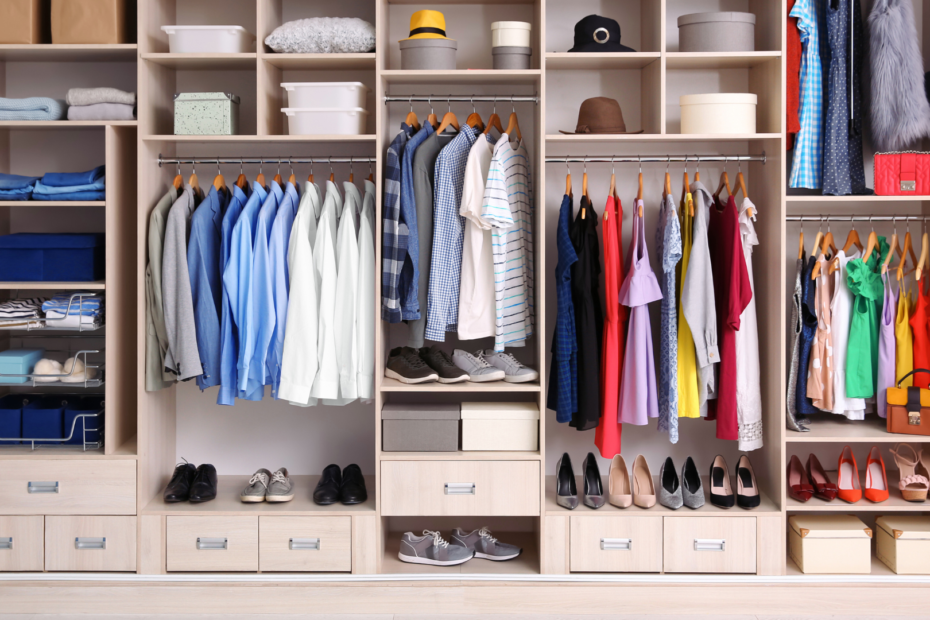
Organising a wardrobe that works for you starts with understanding your lifestyle and clothing needs. It is not about having a perfectly neat space but creating a system that saves time and reduces decision fatigue. A functional wardrobe is one where every item serves a purpose and is easy to find.
The key is to declutter regularly and categorise clothes by frequency of use, colour, or type. This approach helps maintain order and ensures the wardrobe reflects current style and practical requirements. By tailoring the organisation method to individual habits, it becomes easier to get dressed quickly and confidently.
Understanding Your Wardrobe Needs
Organising a wardrobe effectively starts with a clear understanding of individual requirements. This includes recognising daily routines, storage limitations, and physical space constraints that impact wardrobe use and organisation.
Assessing Your Lifestyle and Clothing Habits
He should review his daily activities and social engagements to determine the types of clothing needed. For example, if he works in a formal office, more suits and shirts may be required. Casual clothes might dominate for someone working from home or in a creative field.
The frequency of laundry and clothing rotation also influences wardrobe size. He can note which items he wears most often and which remain unused. This examination helps prioritise essentials and discard or donate less-used pieces, making wardrobe organisation more efficient.
Identifying Storage Challenges
He needs to identify specific storage problems causing wardrobe clutter. These often include insufficient shelves, limited hanging space, or poor lighting, hindering visibility.
Addressing these challenges might involve adding storage solutions like drawer dividers, hooks, or stackable boxes. Recognising seasonal clothing storage demands ensures that out-of-season items do not overcrowd the wardrobe, maintaining a workable, organised space year-round.
Evaluating Wardrobe Space
She should measure the wardrobe dimensions, noting hanging height, shelf depth, and overall volume. These measurements guide the selection of suitable storage accessories.
Understanding the available space allows for optimising layout, such as separating long and short hanging items or incorporating shoe racks. Adequate space planning prevents overcrowding and supports a sustainable, organised wardrobe system.
Step-By-Step Guide to Organising Your Wardrobe
A functional wardrobe begins with clear decisions about what to keep and how to store items. Grouping clothes by type and use helps speed up outfit choices. Seasonal rotation makes space and keeps the wardrobe relevant throughout the year.
Decluttering and Editing Your Clothing
Start by removing all items from the wardrobe to assess each piece. He should sort garments into three categories: keep, donate, or discard. The criterion for keeping should be regular use, good condition, and fit.
Clothes that haven’t been worn in the last year, are damaged, or no longer fit well should be removed. Asking if an item suits the current lifestyle and style helps refine choices. This process reduces clutter and lays the foundation for an organised wardrobe.
Sorting Items by Type and Frequency of Use
Once decluttered, items should be sorted by category (tops, trousers, dresses) and frequency of use. Everyday essentials belong at eye level or in easily accessible drawers. Formal wear and infrequently used items can be stored higher or deeper in the wardrobe.
He might use labelled boxes or dividers to keep smaller items like accessories organised. Grouping by colour within these categories can also simplify dressing. This system saves time and keeps the wardrobe tidy.
Creating a Seasonal Rotation System
Seasonal rotation involves storing off-season clothing separately to free up space. He can place out-of-season items in labelled containers under the bed or in a different closet. Before rotating, laundering and repairing these clothes, ensure they’re ready to wear later.
This system prevents overcrowding and makes current-season clothes more visible and accessible. Regularly scheduled rotations, such as every three to six months, maintain this order and keep the wardrobe efficient year-round.
Maintaining an Organised Wardrobe
Consistency is key to maintaining an organised wardrobe. After each wear, clothes should be properly hung, folded, or placed in their designated spot. Regular reviews every few months catch clutter early.
He should avoid buying unnecessary items and replace worn pieces as needed to keep the wardrobe functional. Simple habits like putting laundry away immediately support long-term organisation and ease daily routines.
Effective Storage Solutions for Maximum Space
Maximising wardrobe space requires practical, well-chosen storage tools tailored to different garment types. Prioritising the right hangers, organising drawers, and optimising shoe storage can significantly increase order and access.
Choosing the Right Hangers for Different Garments
Selecting suitable hangers keeps clothes in good shape and uses hanging space efficiently. Wooden hangers are ideal for heavy items like coats and suits because they support the structure without bending. Slimline velvet hangers save space by minimising bulk, perfect for blouses and shirts.
Matching hangers create visual uniformity and prevent clutter. For delicate fabrics, padded hangers protect from damage. Using clips on hangers works well for skirts and trousers to avoid creases. Ensuring hangers fit the garment size prevents stretching or distortion.
Utilising Drawer Dividers and Storage Boxes
Drawer dividers segment drawer interiors to separate socks, underwear, and accessories, making everything easy to locate. Adjustable dividers offer flexibility to customise compartments as needs change.
Storage boxes, especially clear or labelled varieties, keep seasonal items or less frequently used garments neatly contained. They stack well and protect clothes from dust. Fabric storage boxes can be placed on upper shelves to maximise vertical space.
Both drawer dividers and storage boxes reduce clutter by categorising items logically, which streamlines daily wardrobe use.
Smart Shoe Storage and Racks
Efficient shoe storage frees up floor space and protects footwear from damage. Stackable shoe racks work well in small wardrobes and can be adjusted for different shoe heights.
For larger collections, multi-tiered racks keep pairs visible and accessible. Transparent shoe boxes provide protection and allow quick visual checks without opening.
Wall-mounted racks or hanging shoe organisers can also be installed inside wardrobe doors, optimising otherwise unused space. Proper ventilation is crucial to avoid moisture build-up.
Personalising and Maintaining Your Organised Wardrobe
An organised wardrobe requires ongoing attention to stay effective. Regular updates and tweaks ensure it continues to meet personal needs and lifestyle shifts.
Regular Reviews and Adjustments
Routine checks help maintain a functional wardrobe. Every few months, the individual should remove items that are no longer worn or no longer fit. This prevents clutter and makes space for what is actually used.
Adjust hangers, shelves, or storage boxes if certain categories are overcrowded. For example, if shoes start spilling over shelves, adding a shoe rack or repositioning items will keep the system orderly.
A simple checklist can track changes in clothing volume or seasonal needs. This keeps the wardrobe aligned with current style preferences and daily routines, avoiding the build-up of unworn or outdated items.
Adapting Your System to Lifestyle Changes
Life events often require wardrobe adaptations. Moving jobs, changes in weather, or new hobbies might mean altering how the wardrobe is organised.
For example, someone changing to a more formal job may increase space for suits and formal wear while reducing casual wear. Adjusting storage methods, like introducing tailored compartments or different hangers, can help.
Regularly reassessing storage needs ensures the wardrobe supports new clothing types without overcrowding. Flexibility to swap or expand components maintains ease of access and efficiency in daily dressing routines.