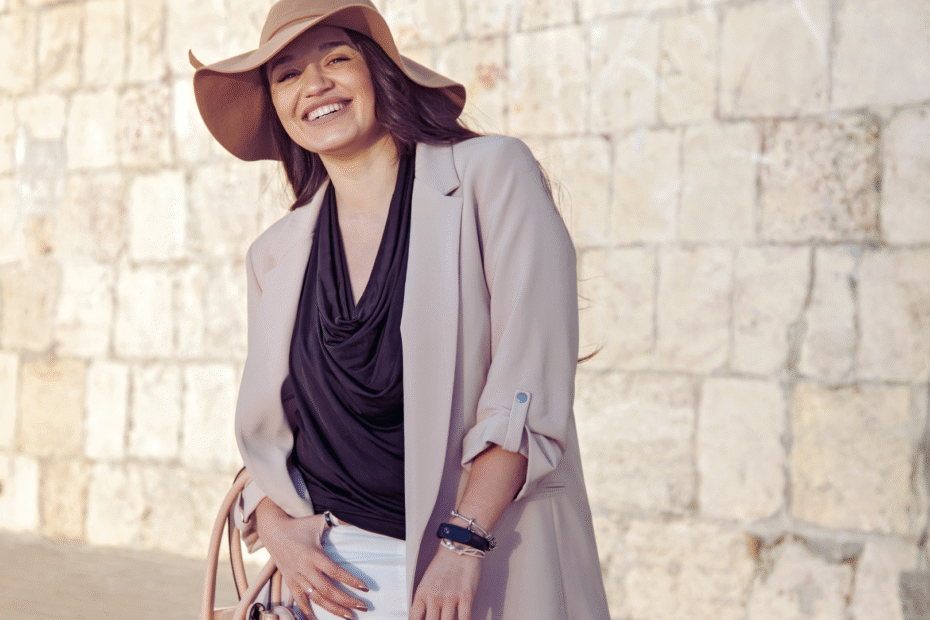
Smart-casual dress codes can often lead to confusion, leaving many wondering how to strike the right balance between casual comfort and polished professionalism. Smart-casual typically combines well-fitted clothing with casual elements, allowing for personal expression while still maintaining an air of sophistication. This style is versatile and suitable for a range of occasions, from business meetings to social gatherings.
Understanding what constitutes smart-casual can free individuals from the stress of deciding what to wear. Key pieces often include tailored trousers or skirts paired with smart shirts or tasteful tops, complemented by stylish footwear. Accessories, such as belts or understated jewellery, can enhance the look without overwhelming it.
Navigating the smart-casual landscape successfully opens up new possibilities for personal style. With a clear understanding of the dress code, one can confidently enter any event while ensuring they are appropriately styled.
Defining Smart-Casual: Meaning and Core Principles
Smart-casual represents a blend of casual and more formal attire. It allows individuals to express personal style while adhering to specific standards suitable for various occasions. Understanding this dress code involves examining its distinguishing features, comparing it with other styles, and clarifying common misconceptions.
Key Elements That Distinguish Smart-Casual
Smart-casual attire strikes a balance between looking relaxed and polished. Key elements include tailored pieces, such as blazers or smart trousers, paired with casual items like fitted polos or clean sneakers.
- Fabrics: Materials should be of good quality. Cotton, wool, and cashmere are suitable, while denim can be used if styled appropriately.
- Footwear: Smart-casual shoes include loafers, brogues, and minimalist trainers.
- Accessories: A wristwatch or a simple belt can elevate the look.
This combination allows for versatility while maintaining an intentional aesthetic.
Comparing Smart-Casual With Other Dress Codes
Smart-casual differs significantly from other dress codes. Business casual, for instance, leans towards office-appropriate wear, often requiring collared shirts and closed-toe shoes without the same flexibility as smart-casual.
In contrast, casual wear generally encompasses a wider range of clothing, including relaxed-fit jeans and graphic tees, which lack the smart elements needed for smart-casual outfits.
To summarise the differences:
| Dress Code | Characteristics |
| Smart-Casual | A mix of tailored and casual items, polished yet relaxed. |
| Business Casual | More formal than smart-casual; often includes dress shirts. |
| Casual Wear | Relaxed, everyday clothing; no specific formality required. |
Common Misconceptions About Smart-Casual
There are several misconceptions regarding smart-casual attire. One common belief is that it simply means wearing jeans with a blazer. While this combination can work, it lacks the nuance that smart-casual embodies.
Another myth is that smart-casual is interchangeable with business casual. While they share similarities, smart-casual provides more leeway for individual expression through colour and patterns.
Understanding these misconceptions is crucial for anyone aiming to navigate dress codes effectively.
Smart-Casual Wardrobe Essentials and Styling Advice
A smart-casual wardrobe balances comfort with style, offering versatility for various occasions. Key elements include foundational clothing, suitable topwear, appropriate footwear, and the use of various fabrics.
Foundational Clothing: Trousers, Chinos, Jeans and Slacks
Trousers are a staple in a smart-casual wardrobe. Tailored trousers in neutral colours elevate the look while remaining comfortable. Chinos also provide a refined yet relaxed option, often made from cotton for breathability.
Classic jeans can fit into smart-casual outfits, particularly dark washes without distressing. Pairing them with a smart shirt or blazer can upgrade the look. Slacks also work well, especially in wool or cotton blends, ensuring both comfort and style.
Topwear Choices: Shirts, Polo Shirts, Cardigans, and Blazers
Smart shirts form the backbone of smart-casual outfits. Look for fitted designs in solid colours or subtle patterns, ensuring they are well-pressed. Polo shirts offer a more relaxed option and can be paired with chinos for a balanced style.
Cardigans add warmth and a layer of sophistication. Opt for fine knits in versatile shades. Blazers are ideal for layering; choose unstructured designs for a more relaxed feel while still maintaining elegance.
Footwear for Smart-Casual: Trainers, Smart Shoes, Boots, and Heels
Footwear choices can define a smart-casual ensemble. Trainers should be clean and minimal, preferably white or in muted tones, complementing the outfit without overwhelming it.
Smart shoes, such as loafers or Oxfords, offer a polished touch. For a more rugged look, ankle boots in suede or leather fit well. Heels can elevate smart-casual outfits, providing height and sophistication. Opt for block heels for added comfort.
Fabrics and Textures: Incorporating Suede and Other Materials
Fabrics play a vital role in smart-casual styling. Cotton and linen provide breathability during warmer months, while wool and blends offer warmth in colder weather.
Suede introduces texture and interest; it works well in footwear and outerwear. Mixing materials, like denim with cotton or knitwear, creates a richer look. Textured fabrics can add dimension to an otherwise simple outfit, enhancing style without sacrificing comfort.
Smart-Casual Outfits for Different Occasions
Smart-casual attire offers versatility, combining elements of smart dress with relaxed styles. It suits various scenarios, from workplaces to social events, requiring a thoughtful balance between looking polished and feeling comfortable.
Dressing Smart-Casual for the Workplace and Business Meetings
In business environments, smart-casual attire allows for personal expression while maintaining professionalism. For men, options include tailored trousers paired with a crisp, button-up shirt. A blazer elevates the look without being overly formal. Women might opt for tailored trousers or a smart midi skirt combined with a blouse and a structured jacket.
Footwear plays a crucial role; loafers and smart flats are ideal choices. Avoid sneakers or overly casual shoes to prevent appearing underdressed. Accessories should remain understated—think classic watches and simple jewellery.
Smart-Casual at Formal Events and Weddings
Smart-casual for formal events or weddings strikes a delicate balance. Men can choose dress trousers with a blazer and a low-key shirt, avoiding ties for a more relaxed vibe. Women have the option of elegant dresses or jumpsuits, complemented by modest heels or attractive flats.
Fabrics should be considered carefully: silk, linen, and cotton can enhance the look while keeping it comfortable. For weddings, keeping colour schemes in mind is vital; avoid wearing white unless specifically invited to do so. Accessories should reflect the formality—subtle, tasteful pieces will work best.
Everyday and Social Smart-Casual Looks
For everyday social outings, smart-casual looks can reflect personal style while remaining presentable. Men might pair dark jeans with a well-fitted polo or henley top, adding a lightweight jacket if needed. Women can wear tailored trousers or dark jeans, paired with a stylish top and a casual blazer.
Footwear can vary from loafers to chic ankle boots, depending on comfort and practicality. Accessories can be more playful, allowing for personal expression. While it’s about comfort, attention to detail can prevent looking underdressed for an evening out.
Smart-Casual for Women: A Detailed Guide
Smart-casual attire for women combines professional and relaxed elements, offering a versatile option for various occasions. Key pieces and styling tips can help achieve an elegant yet comfortable look.
Essentials of Women’s Smart-Casual Attire
Key components of smart-casual attire include tailored pieces and relaxed garments. A well-fitted blazer paired with tailored trousers can elevate a simple top.
Tops: Options like blouses or structured shirts work well. Avoid overly casual t-shirts.
Bottoms: Chinos, tailored jeans, or smart skirts provide balance. Select darker hues for a polished appearance.
Footwear: Choose loafers, ankle boots, or chic flats. Avoid overly casual trainers or flip-flops.
Outerwear: A tailored coat or a stylish trench can also enhance this look when the weather necessitates.
Advice on Styling and Accessorising
Styling smart-casual attire allows for personal expression while maintaining professionalism. Begin with a neutral palette as a foundation. This can be layered with bolder accessories for contrast.
Accessories: Statement jewellery or a patterned scarf adds flair. A structured handbag contributes sophistication.
Layering: Consider lightweight cardigans or vests for versatility. They can add dimension without sacrificing style.
Hair and Makeup: Effortlessly styled hair complements any outfit. Opt for natural makeup to enhance features without overpowering the look.
Incorporating these elements creates a balanced, smart-casual aesthetic that is both functional and fashionable.