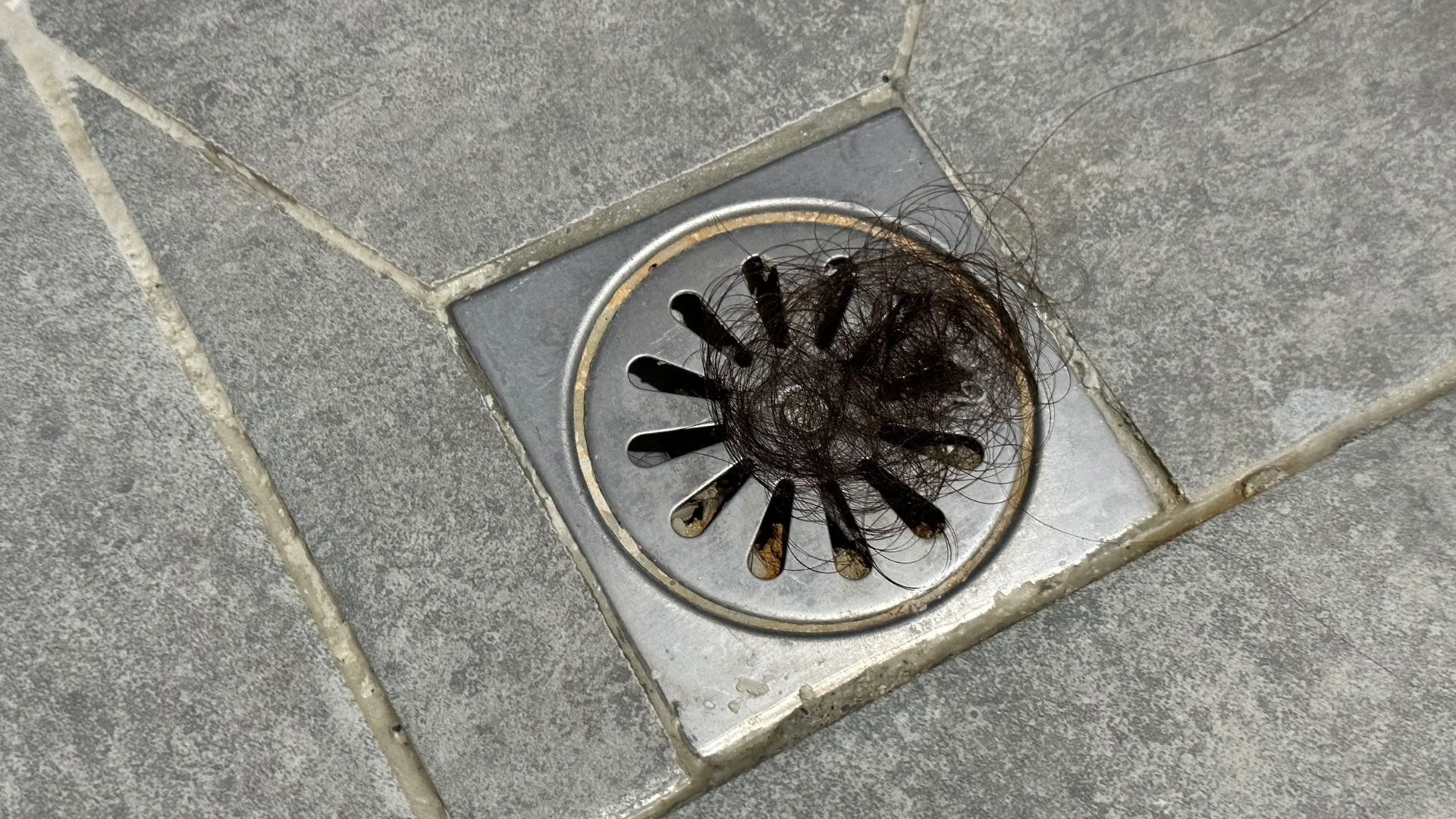
Blocked drains are a common headache, but the good news is that they’re often preventable with some simple steps. Whether it’s your kitchen sink, bathroom drain, or an outside pipe, a little bit of care goes a long way. Ever had to deal with a sink that refuses to drain after a long day? It’s not pleasant! So, how do you stop these blockages from happening in the first place?
What Causes Drain Blockages?
Before jumping into prevention tips, it’s important to know what commonly causes these blockages. Understanding the culprits can help you avoid making the same mistakes over and over again.
- Hair – A big issue, especially in the bathroom. Hair easily washes down the drain and clumps together, creating a blockage over time.
- Grease and fat – Cooking oils, fats, and grease solidify once they cool, sticking to the insides of your pipes.
- Food waste – Leftover scraps from your plate might seem harmless, but they can quickly build up in your kitchen sink.
- Soap residue – The substances in soap can mix with minerals in water, forming a hard residue that clogs drains.
- Foreign objects – Anything from small toys to hygiene products can end up in the wrong place and block your drain.
How to Prevent Drain Blockages
Now that you know the main culprits, let’s focus on what you can do to keep your drains clear and avoid frequent blockages. Here are some effective ways to protect your drains:
1. Install Drain Guards
A simple and affordable solution, drain guards act as a barrier to prevent unwanted materials from going down the drain. Whether it’s hair in the shower or food scraps in the kitchen, these guards can trap potential blockages before they become an issue.
You can find drain guards at any hardware store, and they’re available in various sizes to fit different drains around your home. Place them over your drains and clean them regularly to ensure they continue to work effectively.
2. Dispose of Grease Properly
It’s tempting to pour leftover cooking oil or grease straight down the sink, but that’s one of the biggest causes of drain blockages. Instead, wait for the grease to cool and solidify, then scrape it into the bin. If you’ve got a large amount, pour it into a container first and then throw it away.
For smaller amounts of greasy residue in pans or dishes, wipe it away with a paper towel before washing them. These small actions can make a huge difference in preventing clogs. If you speak to any expert in drain unblocking NZ, they’ll tell you that grease is one of the most common causes of blockages.
3. Regularly Flush Your Drains
Over time, gunk can build up in your pipes even if you’re careful. That’s why it’s a good idea to regularly flush your drains with hot water. Pouring boiling water down your drains every week can help to break up any accumulating grease or soap scum.
For an extra boost, you can also mix hot water with baking soda and vinegar. This natural cleaning solution will not only help to clear minor clogs but also freshen up your drains.
That said, persistent slow drains or recurring clogs may indicate problems further down the line that routine flushing won’t fix. If home remedies don’t clear the issue, a camera inspection and professional cleaning can identify trapped debris, tree-root intrusion, or partial sewer blockages before they worsen.
For homeowners, experienced local teams like Nancy’s Plumbing can provide targeted drain and sewer diagnostics, safe cleaning, and practical prevention advice. Bringing in a pro early can prevent repeated DIY attempts and reduce the risk of costly damage.
4. Be Careful with What You Flush
The toilet is not a trash bin. Items like wipes, cotton buds, and sanitary products should never be flushed down the toilet, even if the packaging says they’re “flushable.” These products don’t break down easily and can cause major blockages in your pipes.
If you’ve got a habit of flushing things that shouldn’t be flushed, now’s the time to change it. Stick to just toilet paper, and you’ll avoid a lot of trouble later on, otherwise you will need the help of a plumber to get things flowing again.
5. Maintain Your Plumbing System
While some clogs are inevitable, regular maintenance can help prevent serious blockages from happening. If you notice slow draining water or unpleasant smells coming from your drains, don’t ignore it. These are early signs of a problem, and taking care of it early can save you a big headache down the track.
You can also have a professional plumber check your system annually to ensure everything is working as it should. Getting regular plumbing checkups is a good strategy to prevent any plumbing emergencies, such as burst pipes or blocked toilets. You can click to visit the website of a professional drainage service to get a better idea of the solutions offered. A little proactive care can extend the life of your plumbing and keep your drains running smoothly.
6. Avoid Overloading Your Garbage Disposal
If you’ve got a garbage disposal, it can be easy to think it can handle anything you throw at it. However, even these powerful devices have their limits. Avoid putting large amounts of food, fibrous vegetables (like celery), or tough items (like bones) into your disposal.
When you do use it, run cold water while it’s grinding and keep the water running for a few seconds after turning it off. This helps to wash everything through the pipes and prevents clogs from forming.
7. Clean Your Drains Regularly
Regular maintenance is key to preventing drain issues before they start. Simple steps like flushing your drains with a mixture of hot water, baking soda, and vinegar every few weeks can help break down minor buildup and keep your plumbing in good condition.
Unfortunately, sometimes these natural solutions may not fully resolve stubborn clogs or recurring drainage issues. When that happens, professional assistance becomes crucial. Experienced drain cleaners — found by looking up “Zoom Drain & Sewer” on the Web — can diagnose deeper problems, clear tough blockages, and ensure your plumbing system runs smoothly.
8. Educate Your Household
It’s not just up to you! Make sure everyone in the house knows what can and can’t go down the drain. The more informed everyone is, the less likely you’ll experience frequent blockages. This is especially important for households with children, as little ones might not always understand the consequences of flushing or tossing things into the drain.
Wrap-Up: Keep Your Drains Running Smoothly
Frequent drain blockages can be frustrating, but the good news is that they’re usually preventable with a bit of care. By following the tips above, you can reduce the risk of clogs and keep your plumbing system working well. It’s all about being mindful of what goes down the drain and taking simple steps to maintain your pipes.