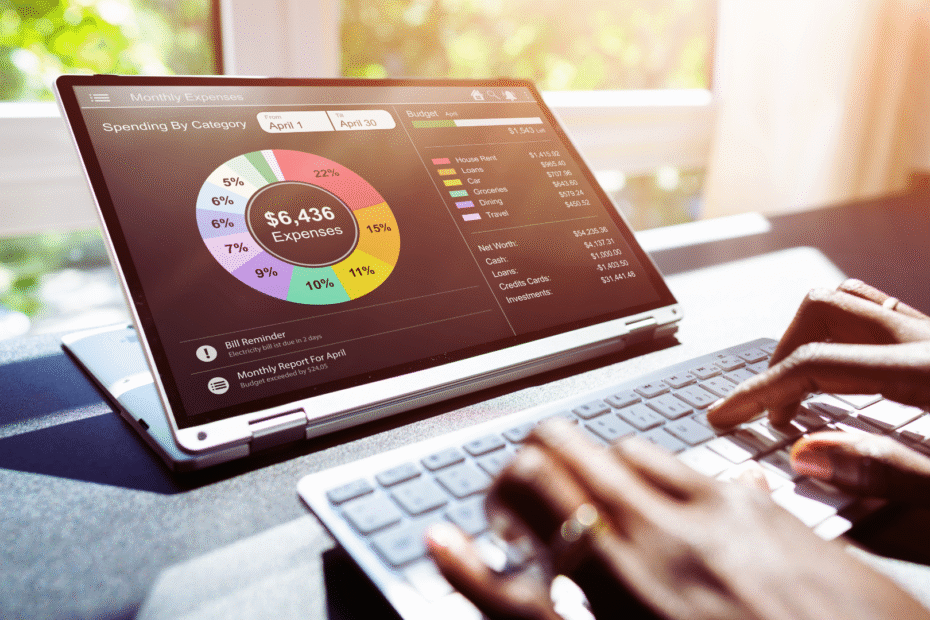
In today’s fast-paced world, managing finances can often seem overwhelming. The right budgeting app can simplify this process, providing tools to track spending, set savings goals, and analyse financial habits. The best money apps for managing a budget offer a user-friendly interface, essential features like expense tracking, and insights to help individuals take control of their financial future.
Many people struggle with sticking to a budget or understanding where their money goes each month. A quality budgeting app can turn this challenge into a manageable task, providing actionable data at users’ fingertips. By leveraging modern technology, these apps help individuals make informed decisions about their finances with ease.
With numerous options available, choosing the right app can significantly impact financial well-being. The following article will explore top-rated money apps that not only promote effective budgeting but also cater to diverse financial needs, making it easier than ever to achieve financial goals.
Why Use Money Apps for Budget Management
Money apps serve as effective tools for managing budgets, providing users with structured ways to track spending and save money. By utilising these apps, individuals can enhance their financial planning and establish a clearer understanding of their spending habits. Below are key aspects around budgeting apps.
Benefits of Using a Budgeting App
Budgeting apps streamline the money management process by offering user-friendly interfaces and real-time tracking. Users can link their bank accounts, credit cards, and other financial sources, allowing for automatic updates on their expenses.
This functionality saves time and reduces manual entry errors. Many apps also provide visual representations of spending via charts and graphs, making the information more digestible. Additionally, some apps feature reminders for bill payments, helping users avoid late fees. Overall, these benefits facilitate better control over personal finances.
How Budgeting Tools Improve Financial Planning
Budgeting tools encourage better financial planning by setting clear goals and benchmarks for users. Many apps allow individuals to create specific budgets for various categories, such as groceries, entertainment, and savings.
Users can easily monitor their progress against these budgets, making adjustments as needed. Some tools also incorporate features for forecasting future expenses based on current spending habits, aiding long-term financial strategies. By providing insight into financial trends, these tools empower users to make informed decisions.
Understanding Your Spending Habits
Understanding spending habits is a pivotal aspect of effective budgeting. Money apps often analyse historical spending data, categorising expenses to reveal patterns.
Users can see where their money goes each month, identifying areas for improvement. For example, an individual may discover that they spend excessively on dining out or subscriptions. Armed with this information, they can adjust their behaviour and set more realistic budgeting goals, leading to improved financial health.
Top Money Apps for Managing Your Budget
There are several noteworthy money apps available today that assist users in managing their budgets effectively. Each app offers unique features catering to different budgeting needs and preferences.
YNAB (You Need a Budget)
YNAB is a highly regarded budgeting app that focuses on proactive money management. It encourages users to assign every pound a job, which fosters intentional spending and savings.
Key features include:
- Goal Tracking: Set financial goals and monitor progress.
- Real-Time Syncing: Access accounts from multiple devices.
- Educational Resources: Offers workshops and tutorials on budgeting principles.
YNAB’s methodology helps users break the paycheck-to-paycheck cycle and develop better financial habits over time.
Mint
Mint is a popular personal finance app known for its user-friendly interface and comprehensive features. It aggregates financial accounts in one place, providing a clear overview of spending and budgeting.
Key features include:
- Custom Budgeting Tools: Create tailored budgets based on spending habits.
- Bill Tracking: Reminders for upcoming bills to avoid late fees.
- Credit Score Monitoring: Free access to credit scores and reports.
Mint’s ability to categorise transactions automatically makes it easier for users to stay within their budgets while identifying areas for improvement.
Monarch Money
Monarch Money is an emerging player in the budgeting app space, offering a collaborative approach to personal finance management. It allows users to share budgets and financial goals with family and friends.
Key features include:
- Shared Budgets: Collaborate on financial planning with trusted individuals.
- Flexible Goal Setting: Set long-term and short-term financial objectives.
- Reporting Tools: Gain insights from detailed spending analyses.
Monarch’s focus on community and communication makes it suitable for families and couples aiming to align their financial strategies.
Key Features to Consider in Budgeting Apps
Selecting an effective budgeting app involves evaluating critical features that enhance user experience and financial management. Key functionalities such as tracking expenses, a user-friendly interface, and support for savings goals significantly impact the app’s overall utility.
Budget Tracking and Expense Tracking Functionality
A robust budgeting app should offer comprehensive budget tracking and expense tracking. It must allow users to set up categories for their expenses, enabling precise monitoring of spending habits.
Users benefit from features like automatic transaction updates, which sync with bank accounts to ensure expenses are tracked in real time.
The ability to create custom budgets for specific timeframes, such as monthly or annually, empowers users to manage their finances effectively.
An effective app will also provide visual representations, such as charts and graphs, to help users easily recognise spending patterns and make informed decisions.
Ease of Use and User Interface
The user interface of a budgeting app plays a crucial role in its effectiveness. A clean, intuitive layout enables users to navigate the app effortlessly.
Key elements include simple menus, easily accessible functions, and clear labels.
Apps that utilise colours and icons enhance visual learning, allowing users to quickly understand their financial status at a glance.
A responsive design that works seamlessly on various devices, including smartphones and tablets, ensures flexibility for the user.
Integrating features like reminders for bill payments or budget limits can also simplify financial management, making it less daunting for users with varying levels of tech-savviness.
Savings Goals and Financial Goals Support
For many users, setting savings goals is a primary reason for using a budgeting app. The app should allow users to define specific financial goals, such as saving for a holiday or emergency funds.
Features that facilitate tracking progress towards these goals enhance motivation. Users should be able to allocate a portion of their budget towards these objectives, making the process more manageable.
Visual indicators, such as progress bars or milestone notifications, can help keep users engaged and committed to their savings.
Additionally, some apps offer tips and recommendations based on spending habits, helping users maximise their savings potential while still enjoying their daily lives.
Choosing the Best Money App for Your Financial Needs
Selecting the right money app is crucial for effective budget management. Several factors can influence this decision, including subscription fees, customisation options, and integration with various budgeting methods.
Comparing Subscription Fees and Free Trials
When evaluating money apps, understanding the cost structure is essential. Many apps offer free versions with limited features, while others require a subscription fee for full access. Subscription fees typically range from £5 to £15 per month.
Free trials can facilitate informed choices, allowing users to test the app’s features without immediate financial commitment. It’s advisable to check if the trial period offers complete functionality to assess how well the app aligns with personal financial goals.
Some apps may have tiered pricing based on advanced features. Users should consider their budget when choosing an app to ensure it meets their financial needs.
Customising Spending Categories and Plans
Effective budgeting often requires tailored spending categories. The best money apps allow users to create custom categories that reflect their unique lifestyles and financial priorities.
For example, someone might want categories for groceries, entertainment, and savings. The customisation helps in identifying spending patterns, making it easier to stick to a spending plan.
Apps that support various budgeting methods, such as the envelope budgeting method or zero-based budgeting, provide additional flexibility. This adaptability ensures that users can manage their funds in a way that suits their preferences.
Integrating Multiple Budgeting Methods
Many money apps support diverse budgeting strategies, enhancing their usability. Users may prefer methods such as envelope budgeting or a more structured approach like zero-based budgeting.
An app that allows integration of multiple methods can satisfy different financial habits. This is beneficial for individuals trying to avoid overspending while managing monthly budgets.
For example, an app could combine envelope budgeting for discretionary spending with a monthly budget for fixed expenses. This integration supports comprehensive financial planning.
Testing With Customer Reviews and Feedback
Customer reviews play a significant role in selecting a money app. Potential users should consider ratings and feedback to gauge the app’s effectiveness and reliability.
Platforms like Google Play and the Apple App Store provide access to user experiences. Reviews may highlight specific features, usability, and customer support.
Pay attention to common themes in feedback, such as ease of navigation and effectiveness in preventing overspending. An app with consistently high ratings from users is likely a more reliable choice, ensuring satisfaction in managing finances.