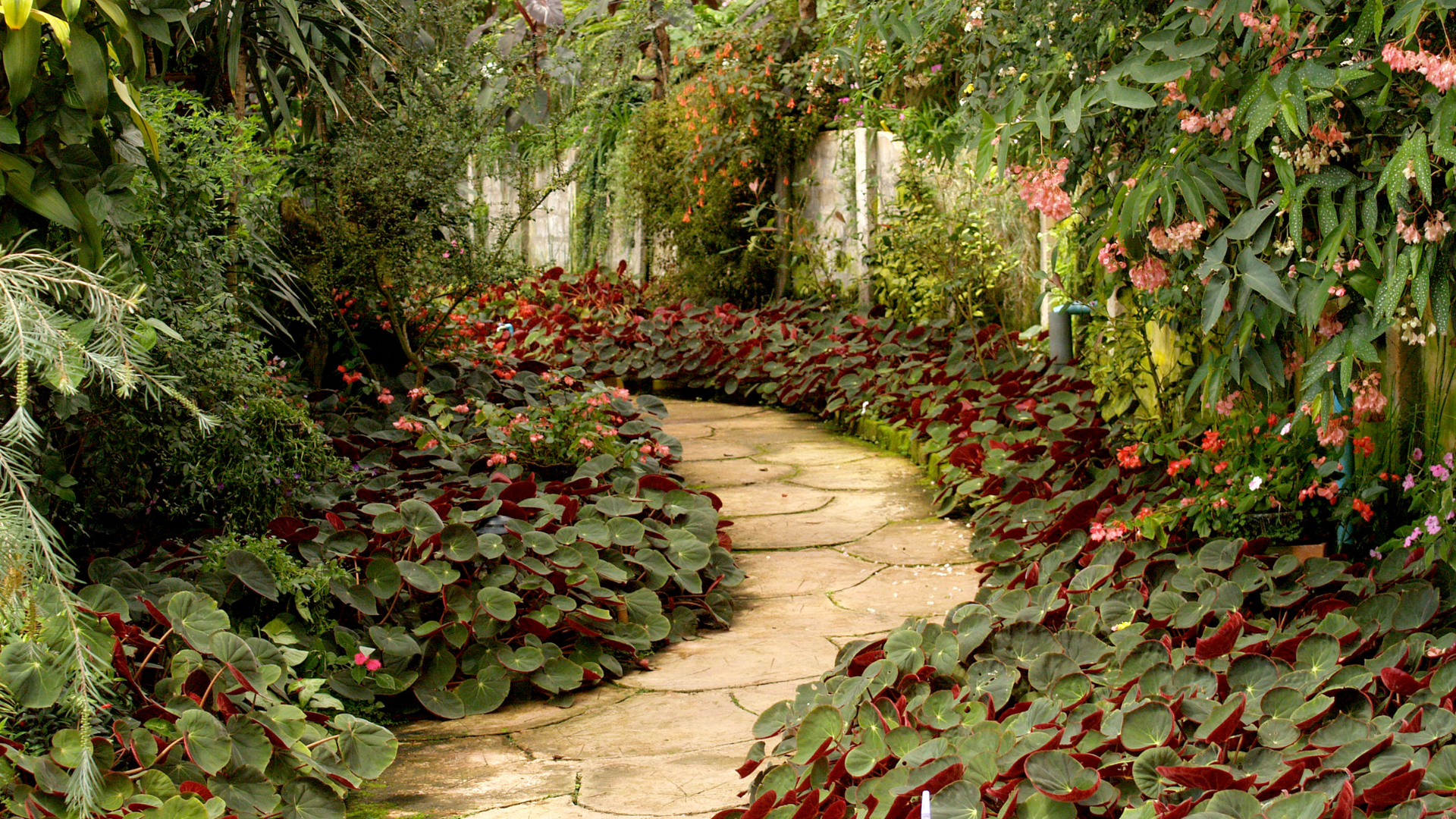
Creating a beautiful garden landscape can transform an outdoor space into a sanctuary. There are numerous ideas that cater to a variety of styles, from contemporary minimalism to lush, cottage-like aesthetics. Incorporating elements such as native plants, layered planting, and functional hardscapes can significantly enhance both the visual appeal and usability of the garden.
Attention to detail is crucial when planning a garden landscape. From choosing the right plants for the local climate to incorporating paths and seating areas, thoughtful design choices can harmonise the space with its natural surroundings. The right landscaping can create a sense of tranquillity and connection with nature.
Whether one has a small balcony or a sprawling backyard, there are ideas suitable for every space. By exploring innovative landscaping techniques and combinations, even the most modest areas can become an inviting retreat. The following article unveils practical suggestions to inspire and guide readers in their garden landscaping journey.
Fundamentals of Garden Landscaping
Effective garden landscaping combines aesthetics and functionality, ensuring a space that’s both appealing and practical. Understanding design principles, selecting suitable plants, and integrating hardscaping elements are vital components of creating a harmonious garden. However, when the landscape includes mature trees or species that require specialised care, the expertise of highly qualified arborists becomes essential. Their knowledge helps manage tree health, structural integrity, and safe placement that significantly impact the garden’s long-term success.
Understanding Landscape Design Principles
The foundation of successful landscape design lies in understanding key principles such as balance, proportion, and unity.
- Balance refers to the distribution of visual weight in a garden, which can be symmetrical (formal) or asymmetrical (informal).
Proportion involves the scale of elements in relation to each other and the space itself. - Unity creates a cohesive look, typically achieved through the repetition of colours, shapes, and textures.
Incorporating these principles enables a garden that feels complete and thoughtfully arranged.
Choosing the Right Plants and Shrubs
Selecting appropriate plants is crucial for the success of any garden. Factors to consider include:
- Climate compatibility: Choose plants that thrive in local conditions.
- Zoning: Understand the garden zones, such as sunny versus shaded areas.
- Maintenance levels: Opt for low-maintenance plants if time is limited.
Diverse plant selections add visual interest and seasonal appeal, while also attracting wildlife. Use grouping techniques to create focal points and ensure a balanced aesthetic throughout the landscape.
Incorporating Hardscaping Elements
Hardscaping refers to the non-plant aspects of garden design, including pathways, patios, and walls. These elements provide structure and functionality within the landscape. Important considerations include:
- Material selection: Choose durable materials that complement plant choices.
- Layout: Design pathways that lead visitors through the garden, enhancing exploration.
- Functional areas: Create spaces for seating, dining, or fire pits to encourage outdoor living.
Incorporating hardscaping effectively establishes defined areas while adding visual layers to the garden, enriching the landscaping experience.
Structural Features and Focal Points
In garden landscaping, structural features and focal points enhance both functionality and aesthetics. A thoughtfully designed seating area, the use of pergolas and trellises, and the establishment of a garden path can create an inviting and organized outdoor space. Now, to achieve a cohesive and well-structured design, careful planning and expertise are essential. Experienced landscaping eden prairie mn contractors (or elsewhere) can seamlessly integrate these elements, ensuring they complement the natural surroundings while maximizing usability. However, for those who prefer a hands-on approach, DIY landscaping may also be a rewarding option, allowing homeowners to personalize their space at their own pace. Irrespective of the approach, what matters is that there is a cohesive idea when it comes to the features and focal points of landscaping design.
Additionally, incorporating a sunroom into a garden design can also serve as a striking focal point, seamlessly blending indoor comfort with outdoor beauty. It offers a versatile space to enjoy natural light and scenic views year-round, enhancing both functionality and property value. Consulting with experienced SUNROOM CONTRACTORS IN SAN JOSE, CA or nearby places, can help ensure a well-integrated addition that complements the existing landscape. Other structural focal points in garden landscaping can include water features like fountains or ponds, which create a soothing ambiance and attract wildlife. Sculptures and art installations add a personal touch and can serve as conversation starters, while strategically placed lighting highlights key areas and extends the garden’s usability into the evening. By thoughtfully integrating these elements, homeowners can create a harmonious and inviting outdoor environment that enhances their living space.
Creating a Dynamic Seating Area
A seating area acts as a central gathering point in a garden. Placing it strategically can create an inviting atmosphere. It can be designed using a mix of materials such as wood, stone, or metal to complement the garden’s aesthetic.
Consider incorporating raised planters around the seating area. These not only add greenery but also define the space. Hardscaping elements like decorative stones can further enhance the area’s visual appeal.
Including comfortable seating options like benches or chairs encourages use. Adding cushions or throws will enhance comfort. Additionally, placing a small table provides a practical surface for refreshments, making the area functional for relaxation or gatherings.
Designing with Pergolas and Trellises
Pergolas and trellises add vertical interest and can serve as stunning focal points. A pergola provides shade and can support climbing plants, creating a natural canopy. This transforms it into an enchanting outdoor room.
Trellises, on the other hand, are excellent for vertical gardening. When trained with climbing plants, they beautify walls or fences. Incorporating trellises along pathways can create a sense of enclosure and privacy.
Both elements can be built from timber or metal, depending on the desired aesthetic. Using natural materials helps them blend seamlessly into the garden environment while providing structure.
Establishing a Garden Path
A well-defined garden path enhances accessibility and invites exploration. Choosing materials such as stone steps, gravel, or bricks offers durability while setting a visual theme. The path should flow naturally throughout the garden, connecting various features.
Mixing garden borders with plants alongside the path can soften its appearance. This creates a beautiful transition between hardscaping and greenery. Additionally, incorporating lighting along the path boosts safety and enhances night-time aesthetics.
Consider varying the path’s width and shape. Curved paths offer a relaxed feel, while straight paths can lead directly to focal points like seating areas or statuary. This adds an element of surprise and discovery within the garden.
Plant Selection and Garden Types
Choosing the right plants can significantly enhance the character and functionality of a garden. Various types of gardens cater to specific needs and aesthetics, from edible landscapes to visually striking displays of cacti and succulents.
Cultivating a Thriving Vegetable Garden
A vegetable garden offers both beauty and utility. Selecting a mix of seasonal vegetables ensures a continual harvest throughout the year. Tomatoes, peppers, and leafy greens like spinach are excellent choices for beginners.
Soil quality plays a critical role. Using compost enriches the nutrient content, while raised beds improve drainage. Incorporating companion planting can deter pests and boost growth. For instance, planting basil alongside tomatoes can enhance flavour and ward off pests.
To optimise space, consider vertical gardening options with climbing plants like peas or beans. This approach not only saves space but also adds height and interest.
Designing a Low-Maintenance Garden
A low-maintenance garden suits those with busy lifestyles. Choosing native plantings that thrive in the local climate reduces water and care needs. Soft textures, such as ornamental grasses, add visual appeal and require minimal upkeep.
Introducing plants like hydrangeas and roses can provide colour with less effort. Opting for clipped hedges helps define the garden’s shape without frequent trimming. Ground covers and perennial plants can fill spaces efficiently and return each season.
Consider using mulch to suppress weeds and retain moisture. Planting hanging baskets with low-maintenance flowers fills vertical space beautifully, allowing for a vibrant display without severe time commitments.
Creating a Unique Cactus or Succulent Garden
A cactus or succulent garden adds a distinctive charm with minimal water requirements. Ideal for arid climates, these plants come in various shapes and sizes. Echeverias and ageratum are popular options for their aesthetic appeal.
Placement is crucial; a sunny spot with excellent drainage is essential. Using terracotta pots or well-draining soil encourages healthy growth. Grouping different varieties creates visual interest and a dynamic landscape.
Incorporating small trees, such as bonsai or miniature pines, can add height and structure. Adding climbers can enhance the visual layout while providing vertical interest. With thoughtful plant selection, this type of garden can be both striking and sustainable.
Garden Amenities and Decorative Elements
Incorporating functional and aesthetic features into garden spaces enhances their appeal and usability. Emphasis on water features and seating arrangements can significantly elevate outdoor experiences.
Incorporating Water Features and Firepits
Water features can transform any garden into a serene sanctuary. Options include:
- Fountains: They provide gentle sounds and visual interest. Wall fountains are a great option for saving space, while bubbling fountains work well in smaller areas, creating a subtle and relaxing effect.
- Ponds: Larger pond installations can host aquatic plants and fish. Depending on the setup, a raised pond or an above ground pond can be excellent choices for adding a structured water feature.
- Water Gardens: Ideal for creating a lush and vibrant scene. Options like koi water gardens or pond water gardens add beauty while supporting aquatic life.
Firepits serve as focal points, allowing for year-round enjoyment. They can be built from stone or metal and are perfect for gatherings. Placement should ensure safety and comfort, ideally with seating arranged around it.
Consider integrating both elements harmoniously. A pond near a firepit creates depth and contrast, enriching the garden’s atmosphere.
Selecting Outdoor Furniture and Containers
Choosing the right outdoor furniture is crucial for functionality and comfort. Key pieces include:
- Benches: Ideal for creating relaxing lounges.
- Dining Sets: Encourage social gatherings and meals outdoors.
- Hammocks: Provide a laid-back space for relaxation.
Containers offer versatility in plant arrangement. Options like:
- Planters: Wooden, ceramic, or metal designs suit various styles.
- Green Walls/Living Walls: These allow for vertical gardening, saving space while adding beauty.
Material selection should prioritise durability against weather elements. Investing in quality items enhances the longevity and enjoyment of the garden space.