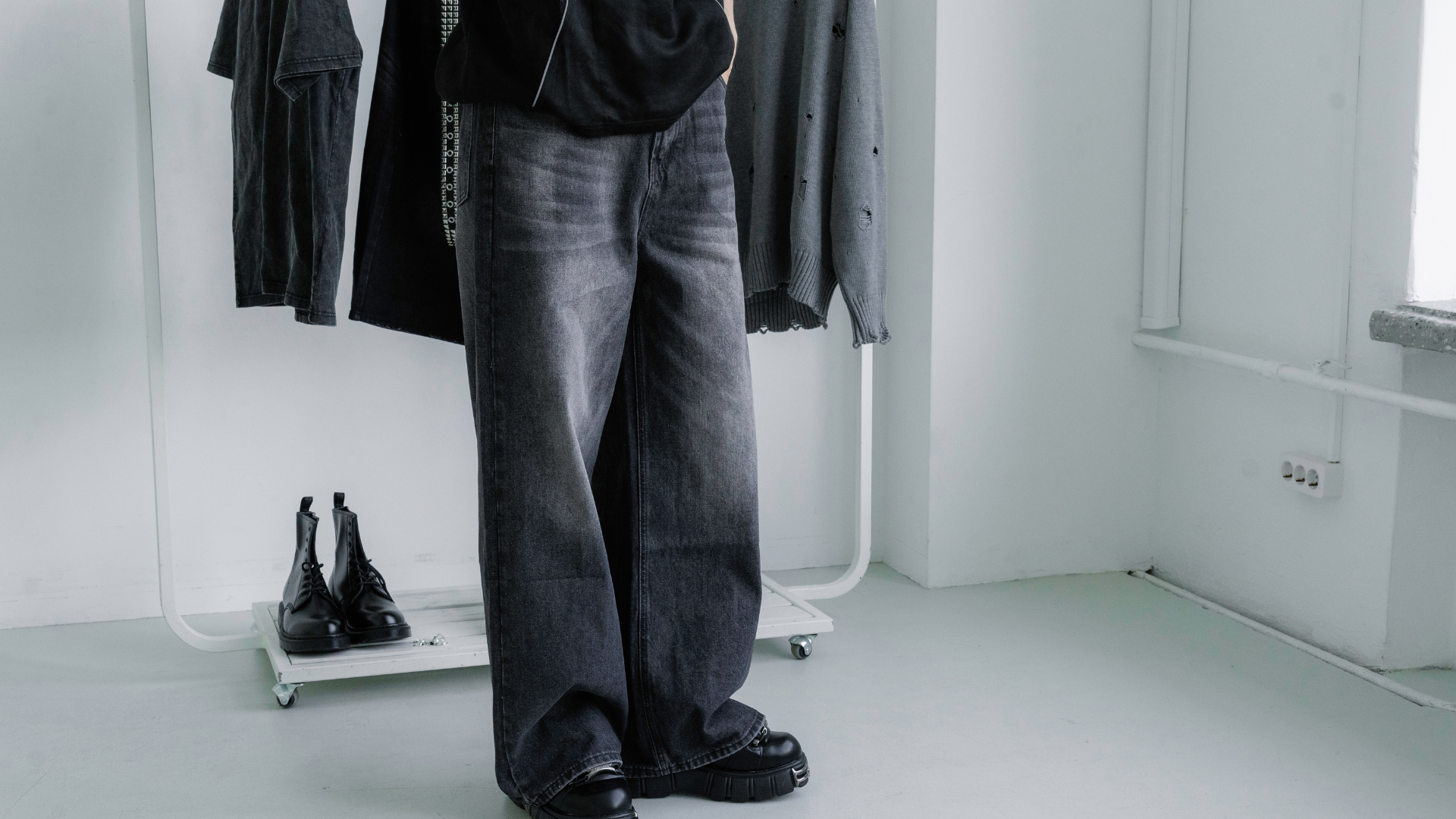
Streetwear fashion has significantly shaped contemporary style, emerging from urban culture and making its way into high-fashion circles. It blends casual attire with unique prints, logos, and a focus on authenticity, appealing to those who value individuality in their wardrobe. Streetwear is defined not just by its aesthetic but by the culture and community surrounding it, often reflecting social movements and personal expression.
Many individuals are drawn to streetwear because it offers more than just clothing; it provides a sense of belonging and identity. From oversized hoodies to limited-edition trainers, streetwear continues to push boundaries, challenging traditional fashion norms. The rise of collaborations between street brands and luxury designers highlights its influence and demand in the fashion industry.
As trends evolve, streetwear remains at the forefront, adapting to societal changes and technological advancements. It captures the essence of urban life, allowing wearers to express their creativity and values through their clothing choices. Exploring its origins, key players, and cultural impact reveals the layers that make streetwear a significant force in today’s fashion landscape.
Origins and Evolution of Streetwear Fashion
Streetwear fashion emerged from a blend of various cultural influences, primarily drawn from skate and surf cultures, alongside hip-hop movements. Its evolution has been shaped by key figures and cities, leading to a distinct style that resonates globally.
The Birth of Streetwear
Streetwear’s origins can be traced back to the 1980s, primarily in California. Shawn Stussy, a surfer and artist, launched a brand that combined surf culture with graphic T-shirts. His unique designs quickly caught the attention of skateboarders and youth subcultures.
Stussy’s creations melded comfort with artistry, fostering a sense of community among wearers. This initial movement laid the groundwork for what would become a global trend, with many brands later following in his footsteps.
Influence of Skate and Surf Culture
Skate and surf cultures played a pivotal role in shaping streetwear. In the late 1970s and early 1980s, brands like Vans and Powell Peralta popularised specific styles that merged functionality and aesthetics. These brands catered to skaters who needed durable clothing while looking stylish.
As skate parks emerged in urban areas, skaters adopted a look characterised by oversized T-shirts, baggy jeans, and sneakers. This approach influenced streetwear designers, who began incorporating elements like logo graphics and vibrant colours into their collections.
Hip-Hop and the Rise of Urban Fashion
The rise of hip-hop in the 1980s and 1990s further propelled streetwear into mainstream culture. Artists like Run-D.M.C. popularised brands such as Adidas and gave visibility to urban fashion. Their influence extended beyond music, challenging normative dress codes.
New York emerged as a key hub for this movement, where hip-hop and street art intersected. Designers started to fuse elements from both scenes, producing bold graphics and statement pieces. Cities like Tokyo and London later embraced this style, adding their unique twists and expanding the global reach of streetwear.
Key Elements of Streetwear Style
Streetwear fashion is characterised by its unique aesthetic that blends comfort, casual style, and urban influences. Key elements that define this trend include essential types of clothing and footwear that hold significant cultural value.
Defining Characteristics of Streetwear
Streetwear regularly features bold graphics and oversized silhouettes. This style incorporates influences from sports, music, and contemporary art. The use of limited-edition items and exclusive drops amplifies its appeal among enthusiasts.
Materials are often utilitarian, combining functionality with a laid-back vibe. Key fabrics include cotton, denim, and technical synthetics. Brands innovate continually to create pieces that resonate with personal style while being practical for everyday wear. In line with this, brands like bucketofbloodboxing.com can create pieces that merge bold, boxing-inspired graphics with practical fabrics, giving fans apparel that is both expressive and suitable for everyday wear.
Importance of T-shirts and Hoodies
T-shirts and hoodies serve as the backbone of streetwear wardrobes. Graphic tees often reflect personal beliefs, favourite artists, or current cultural phenomena. Their versatility allows for easy pairing with various bottoms, from jeans to joggers. For shoppers seeking bold graphic tees and novelty designs that complement hoodies, a helpful review for Chummy Tees highlights their range of humorous and original shirts, quality printing, and fast shipping, making them a go-to option for completing streetwear looks.
Hoodies, known for their comfort, hold a special place in this fashion realm. They enhance the streetwear aesthetic with layering options and can be styled with outerwear. Many brands specialise in unique designs, creating a market for customised pieces that allow for personal expression.
Sneakers as a Fashion Statement
Sneakers play a pivotal role in streetwear, acting as much more than mere footwear. Brands like Nike, Adidas, and Puma often release limited-edition models that become highly sought after. Cool and comfortable, they complete almost any outfit in this style.
More than functionality, sneakers embody social status and personal identity in the streetwear scene. Many influencers and brands collaborate to create unique styles that draw attention. Collecting sneakers has become a cultural phenomenon, further solidifying their importance in this aesthetic.
Prominent Brands and Designers in Streetwear
Streetwear fashion has been shaped significantly by various influential brands and designers, each contributing unique perspectives. Key factors include the legacy of established high-influence brands, the impact of designer collaborations, and the emergence of luxury options within the streetwear landscape.
Legacy of High-Influence Brands
Certain brands have established themselves as icons within the streetwear scene. Supreme, founded in 1994 by James Jebbia, is renowned for its distinct logo and limited-edition drops. A Bathing Ape (BAPE), created by Nigo in 1993, is celebrated for its signature camo prints and playful designs.
Other notable brands include Stüssy, which helped pioneer the movement in the ’80s, and Nike, known for its innovative designs and streetwear partnerships. Adidas and New Balance have also made their mark through collaborations that blend performance with style, attracting diverse audiences.
The Role of Designer Collaborations
Collaborations have played a crucial role in elevating streetwear’s status. Partnerships between high-end designers and street brands create unique collections that cater to both aesthetics and exclusivity. Off-White, launched by Virgil Abloh, embodies this fusion with bold graphics and high-concept designs.
Comme des Garçons has also left a significant impact, particularly with its collaborations that challenge conventional styles. Brands like Fear of God and A-COLD-WALL merge streetwear with luxury, pushing the boundaries of fashion. These collaborations often generate buzz and elevate the profile of both parties involved.
Emergence of Luxury Streetwear
The intersection of luxury fashion and streetwear has gained traction in recent years. Designers such as Vetements are recognised for redefining high fashion with street-inspired aesthetics. This trend blurs the lines between casual and luxury attire, attracting a fashion-savvy clientele.
Kith and Noah exemplify this shift, combining quality materials with street-style sensibilities. The emergence of luxury streetwear caters to consumers seeking both comfort and sophistication. This evolution has led to a broader acceptance of streetwear within traditional high fashion contexts, including runway shows and exclusive collections.
Streetwear in Modern Culture and Media
Streetwear has established itself as a dominant force in contemporary culture and media, influencing various aspects of fashion and lifestyle. Its unique blend of casual aesthetics and high fashion has positioned it as a vital element within the fashion industry.
Streetwear’s Impact on Contemporary Fashion
Streetwear has transformed the fashion landscape by introducing a casual and comfortable approach to style. It merges elements from skate culture, hip-hop, and urban influences. Renowned brands like Supreme, Off-White, and A Bathing Ape epitomise this trend with unique graphics and bold logos.
This genre offers a canvas for self-expression, allowing wearers to showcase individuality through the selection of clothing. Collections showcased during events like Paris Fashion Week highlight how streetwear blurs lines with luxury fashion, appealing to a broad audience. The adoption of streetwear by traditional fashion houses signals its undeniable influence on the industry.
The Intersection of Streetwear and Haute Couture
The merging of streetwear and haute couture creates a dynamic relationship that challenges conventional norms. High-end brands increasingly incorporate street style elements into their collections, recognising their relevance. Luxury streetwear has gained traction, often seen as a fusion of exclusivity and accessibility.
Designers such as Virgil Abloh for Louis Vuitton exemplify this intersection, bringing street culture to a luxury audience. Collaborations between street brands and haute couture labels have expanded this influence, making high fashion more relatable. This shift indicates a broader cultural acceptance of streetwear’s aesthetic within the elite fashion world.
Influence of Celebrities and Social Media
Celebrities play a pivotal role in popularising streetwear trends. Figures like Rihanna and Travis Scott have become style icons, using their platforms to influence public perceptions and preferences. Their endorsements often drive demand for specific brands and items, showcasing the power of celebrity in shaping fashion.
Social media facilitates rapid trend dissemination, with platforms like Instagram and TikTok showcasing streetwear styles. Influencers and fashion enthusiasts share their outfits and recommendations, creating a community that thrives on visual content. This interconnectedness amplifies streetwear’s presence in popular culture, ensuring its relevance in modern media.