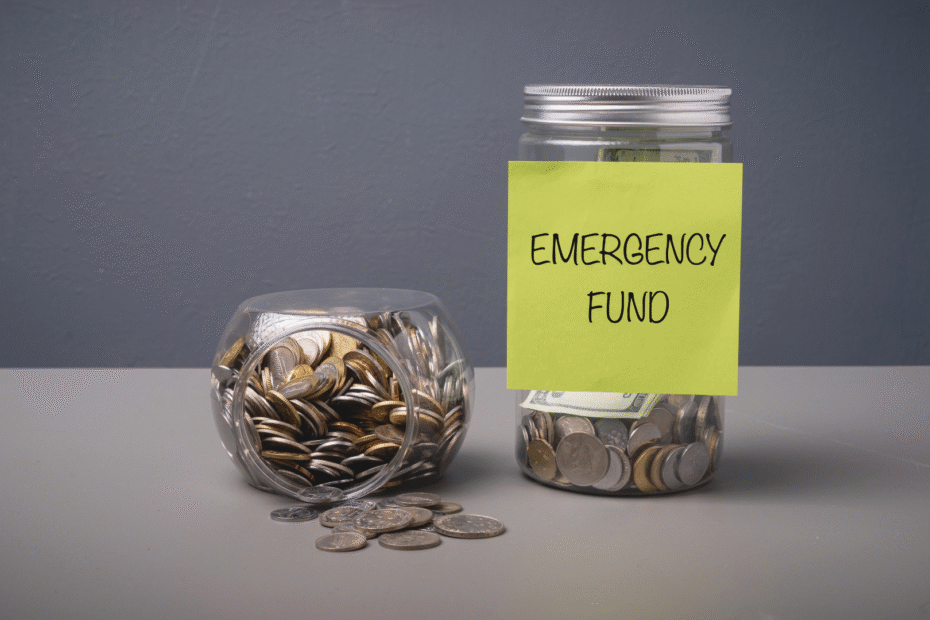
Building an emergency fund is a crucial step towards achieving financial stability. Having a financial cushion can protect against unexpected expenses, such as medical emergencies or job loss. This fund acts as a safety net, allowing individuals to navigate life’s uncertainties without derailing their long-term financial goals.
Many people overlook the importance of setting aside savings for emergencies, often prioritising other financial commitments instead. However, those who do establish an emergency fund often find themselves in a better position to handle unexpected financial challenges. This proactive approach not only mitigates stress but also promotes better financial decision-making in the long run.
Creating an emergency fund does not require large sums of money upfront. Even small, regular contributions can accumulate over time, providing a solid foundation for future security. By recognising the value of an emergency fund, individuals can take the necessary steps to safeguard their financial well-being.
Understanding Emergency Funds
Emergency funds serve as a financial safety net, providing individuals with the necessary resources to handle unforeseen events. By setting aside money specifically for emergencies, one can significantly enhance their financial security.
What Is an Emergency Fund?
An emergency fund is a designated amount of savings set aside for unexpected expenses. These funds typically cover costs such as medical emergencies, car repairs, or job loss.
The amount needed varies, but financial experts often recommend saving three to six months’ worth of living expenses. This ensures that individuals can manage urgent costs without relying on credit cards or loans, which can lead to debt.
An emergency fund can also be referred to as a rainy-day fund. It’s essential to keep these funds accessible, typically in a savings account that earns interest but allows for quick withdrawals.
Why Emergency Funds Are Essential
Emergency funds are crucial for achieving financial stability. They provide peace of mind, as having savings earmarked for crises reduces stress during unexpected situations.
Without an emergency fund, individuals may resort to high-interest debt, which can exacerbate financial difficulties. This can lead to a cycle of borrowing that is hard to break.
Moreover, an emergency fund allows for better decision-making in times of crisis. It empowers individuals to address emergencies without rushing into panic-driven choices, thereby safeguarding their long-term financial health.
Building and maintaining an emergency fund is a vital step towards financial security. By prioritising these savings, individuals can enhance their resilience against life’s unpredictabilities.
Benefits of Building an Emergency Fund
An emergency fund provides a financial safety net that protects against unforeseen costs. By having this fund, individuals can mitigate unexpected expenses, reduce stress, and secure their overall financial health.
Protection Against Unexpected Expenses
Unexpected expenses can arise at any time, such as home repairs, medical emergencies, or vehicle breakdowns. An emergency fund ensures that individuals have the money readily available to cover these costs without resorting to credit cards or loans.
For instance, if a homeowner faces a sudden plumbing issue, having savings allows them to address the problem promptly. This proactive approach prevents damage and additional costs down the line.
Moreover, being prepared for unexpected costs means individuals can make better financial decisions without the pressure of immediate debt.
Reducing Financial Stress
Financial stress is a common challenge in today’s fast-paced world. Knowing there is a safety net in place significantly alleviates concerns about day-to-day living expenses.
An emergency fund helps individuals maintain peace of mind. They can navigate life’s unpredictability without anxiety about their finances. This reduced stress can also positively impact mental health, leading to enhanced focus and productivity.
Furthermore, when faced with job loss or other income disruptions, having a financial buffer provides time to find new employment without the urgency of immediate financial strain.
Safeguarding Your Financial Well-Being
An emergency fund plays a crucial role in safeguarding long-term financial well-being. Without it, individuals may rely on high-interest loans, leading to a cycle of debt that can hinder future financial goals.
By building an emergency fund, they create a foundation that allows for greater financial freedom. This fund not only covers immediate expenses but also enables individuals to invest in opportunities without fear of unexpected setbacks.
For example, those with emergency savings are more likely to pursue career changes or educational advancements, knowing they have support in times of need.
How to Start and Grow Your Emergency Fund
Building an emergency fund requires careful planning and disciplined saving. By setting clear savings goals, choosing the right account, establishing a budget, and automating savings, individuals can effectively create a financial safety net.
Setting Realistic Savings Goals
To begin, individuals should define their savings goal. A typical target is three to six months’ worth of living expenses. This includes rent, utilities, groceries, and other essential costs.
Creating a detailed list of monthly outgoings helps in calculating a specific target. For example, if the monthly expenses total £2,000, a savings goal of £6,000 to £12,000 is reasonable.
It’s crucial to make these goals realistic and achievable. Setting incremental milestones can provide motivation as one progresses toward the overall target. Therefore, breaking the goal into smaller, monthly targets can facilitate a steady saving process.
Choosing the Right Savings Account
Selecting an appropriate savings account is essential for maximising returns. A high-interest savings account or a Money Market Account often offers better interest rates compared to traditional accounts.
Potential savers should consider factors like accessibility, interest rates, and fees. Accounts that allow easy transfers are beneficial, as they provide quick access in case of emergencies.
Additionally, some banks offer bonuses for high balances or consistent deposits. Comparing options ensures individuals find the most suitable account for their emergency fund, leading to effective savings growth.
Establishing a Budget and Managing Outgoings
Developing a detailed budget is key to managing monthly spending. This involves tracking all income and outgoings to identify areas for potential savings.
Creating categories within a budget helps pinpoint unnecessary expenses. For instance, reducing dining out or subscription services can free up funds for the emergency fund.
Using budgeting tools or apps can simplify this process. Regularly reviewing and adjusting the budget keeps individuals on track to meet their savings goals without financial strain.
Automating Savings for Consistency
To ensure consistent savings, automation is a powerful tool. Setting up automatic transfers from a primary account to a savings account ensures a portion of income is saved without much thought.
Designating a specific day each month for the transfer aligns with paydays, making it easier to manage cash flow. Such a method promotes discipline in saving.
Additionally, increasing the transfer amount as finances allow can accelerate growth. Automating savings not only builds the fund steadily but also reduces the temptation to spend the money earmarked for savings.
Additional Strategies and Considerations
Building an emergency fund involves not only the initial savings but also strategic planning around how to enhance it and avoid pitfalls. The following strategies provide insights into utilising unexpected funds, ensuring credit cards are not a fallback option, and aligning the fund with significant upcoming costs.
Making Use of Windfalls Like Tax Refunds
Unexpected financial boosts, such as tax refunds, can significantly accelerate an emergency fund. Instead of spending these windfalls on non-essential items, individuals should divert them directly into savings.
For instance, if someone receives a tax refund of £1,000, they can add it all to their emergency fund. This not only increases the fund but also reinforces the habit of saving. Creating a dedicated savings account can make it easier to keep these funds separate from everyday expenses, ensuring the money is available when needed.
Avoiding Reliance on Credit Cards for Emergencies
Relying on credit cards during unexpected financial challenges can lead to debt accumulation and high-interest repayments. Instead, having a well-established emergency fund allows individuals to avoid the disadvantages that come with credit.
When facing expenses like medical bills or urgent repairs, using savings rather than credit can prevent long-term financial strain. It is essential to view credit cards as a backup option rather than a primary source of emergency funds. This mindset fosters discipline in saving and decreases the risk of falling into debt.
Aligning Your Emergency Fund with Major Expenses
Aligning an emergency fund with anticipated significant expenses is a crucial step in achieving financial stability. Individuals should identify potential future costs like home repairs, medical emergencies, or mortgage payments and adjust their savings goals accordingly.
For instance, if a homeowner estimates a potential roof repair cost of approximately £3,000, they should aim to increase their emergency fund by this amount. Keeping track of these anticipated costs ensures that the emergency fund remains relevant and sufficient, allowing for a smoother financial experience during emergencies. Regularly revisiting and adjusting the fund based on upcoming expenses is essential for maintaining financial security.