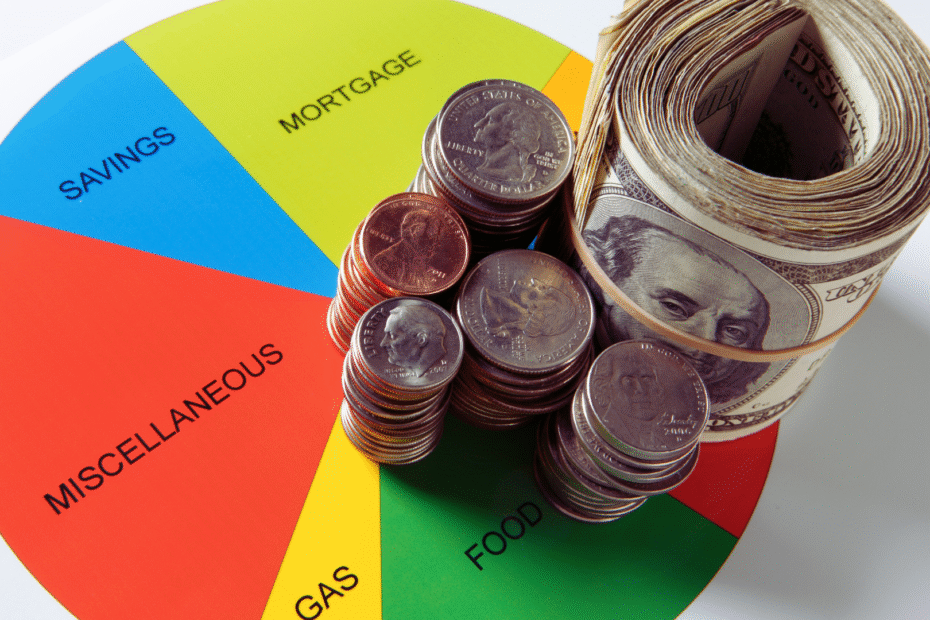
Budgeting can be a daunting task for many, especially for those just starting out. Creating a budget involves tracking income and expenses, which helps individuals identify their financial priorities and control spending. By understanding where money is coming from and going, beginners can take meaningful steps toward achieving their financial goals.
To embark on this journey, individuals should first gather all financial information, including bank statements, invoices, and pay slips. This process lays the groundwork for a comprehensive overview of one’s financial situation. By categorising expenses into needs and wants, it becomes easier to make informed decisions and adjustments.
Setting realistic financial goals is another crucial aspect of budgeting. By determining short-term and long-term objectives, such as saving for a holiday or building an emergency fund, individuals can create a personalised budgeting plan that motivates and guides them in their financial journey.
Understanding the Basics of Budgeting
Budgeting is an essential skill for managing finances effectively. Beginners should grasp the concept of budgeting, its significance, and the key terms involved, such as income, expenses, and savings.
What Is a Budget?
A budget is a plan that outlines expected income and expenses over a specific period, typically monthly. It helps individuals allocate their resources wisely, ensuring they do not spend beyond their means.
By tracking both fixed and variable expenses, a budget highlights areas where spending can be adjusted. For example, fixed expenses include rent and subscriptions, while variable expenses encompass groceries and entertainment.
A well-structured budget serves as a financial roadmap, guiding individuals toward their financial goals, whether saving for a holiday or reducing debt.
The Importance of Budgeting
Budgeting is crucial for maintaining a healthy financial situation. It enables individuals to understand their cash flow, which is the movement of money in and out of their accounts.
With a budget, one can prioritise savings, ensuring that funds are set aside for emergencies or future investments. This proactive approach can prevent financial stress and lead to better spending habits.
Budgeting also fosters awareness of spending patterns, allowing for adjustments as necessary. It can empower individuals to make informed decisions regarding their finances, paving the way for long-term stability.
Key Terms: Income, Expenses, and Savings
Understanding key financial terms is vital for effective budgeting.
- Income refers to all money received, including salaries, bonuses, and side hustles. A clear picture of total income is necessary to construct a reliable budget.
- Expenses encompass all costs incurred, from fixed obligations like mortgages to variable costs for dining out or leisure activities. Keeping track of these is crucial for identifying spending habits.
- Savings represent the portion of income set aside for future needs. This may include emergency funds, retirement accounts, or specific savings goals.
Comprehending these terms allows individuals to create a balanced budget, ensuring they effectively manage their financial resources.
Setting Up Your First Budget
Creating a budget requires a clear understanding of income, fixed expenses, and financial goals. This section breaks down the essential steps to help beginners effectively set up their first budget.
Analysing Income and Earnings
The first step involves calculating take-home pay, which is the amount left after taxes and deductions. This includes all income sources such as salaries, freelance work, or passive income.
It is crucial to track earnings over a few months to identify fluctuations. This can be done through a simple spreadsheet or budgeting app.
Once the total monthly income is established, it becomes easier to understand how much is available for spending and savings. Knowing the exact figure helps in making informed financial decisions.
For many people, this financial clarity is the first step toward buying a home. Navigating the property market requires a clear understanding of your borrowing capacity. Working with a professional mortgage broker helps you find the right lending options for your situation. You can get personalized guidance on home loans and investment finance through adafinancialservices.com.au to make this process easier. This support helps you plan your long-term budget with confidence.
Listing Expenses and Monthly Outgoings
Next, a clear list of all monthly expenses should be created. This includes both fixed and variable expenses.
Fixed expenses consist of costs like rent or mortgage, utilities, and insurance, whereas variable expenses may include groceries, entertainment, and dining out.
Utilising a spending tracker can assist in keeping an accurate record of these outgoings. This tracking will highlight where adjustments may be necessary.
Identifying Essential Bills and Direct Debits
Identifying essential bills is vital for any budget. These are non-negotiable payments that must be made each month.
Essential bills typically include rent, mortgage payments, utilities, and loan payments. Direct debits and standing orders can automate these payments to ensure they are not missed.
For many households, a mortgage is the largest monthly expense they have to manage. Finding ways to reduce this payment can make a big difference in a monthly budget.
If you live in Alberta, working with a professional like a Jean-Guy Turcotte Red Deer mortgage broker can help you find better rates. They can assist with refinancing your current loan or finding a better deal when it is time to renew. This simple step can lower your monthly bills and give you more room for savings.
Creating a separate category for discretionary spending helps in distinguishing between needs and wants. It enables a better allocation of funds towards essential payments first.
Setting Savings and Financial Goals
Setting savings goals is critical for financial health. This involves determining an amount to save each month. These savings can be for emergencies, future purchases, or retirement.
When setting financial goals, it is helpful to define short-term and long-term objectives. Short-term goals might include saving for a holiday, while long-term goals could be for buying a home.
When setting financial goals, it is helpful to define short-term and long-term objectives. Short-term goals might include saving for a holiday, while long-term goals could be for buying a home. For instance, many people dream of owning a vacation property or relocating to a tropical destination.
If this is your plan, you can research current listings for USVI homes for sale to understand the market prices. Knowing these costs early helps you calculate exactly how much money you need to save each month. This makes your long-term financial planning much more accurate and realistic.
Tracking progress towards these goals can enhance motivation. Regularly reviewing savings allows for adjustments if financial situations change, ensuring the budget remains on track.
Choosing and Using Budgeting Tools
Selecting the right budgeting tools can make managing finances significantly easier. Different tools cater to varying preferences and skill levels, from traditional methods to modern digital applications. Here are some effective options.
Traditional Budgets: Spreadsheets and Paper
Using spreadsheets, such as Excel, is a popular method for budgeting. It allows individuals to customise their budgets to suit specific needs. They can create categories for income, expenses, and savings, then track spending against these.
Paper budgeting is another method, appealing to those who prefer writing things down. This approach includes printed templates or simple notebooks. Users jot down income sources and expenses, providing a tangible way to manage finances.
Both methods enable flexibility and easy adjustments as circumstances change. They also help in visualising spending habits over time.
Digital Budgeting Tools and Apps
Numerous digital budgeting tools and apps streamline financial management. Popular options include tools like Mint, YNAB (You Need A Budget), and PocketGuard. These applications often feature spending trackers, which automatically categorise expenses.
Users can set financial goals and receive text alerts for upcoming bills or overspending. Many apps sync with bank accounts, providing real-time data on account balances and spending. This transparency aids individuals in making informed financial decisions.
Digital tools also support automatic contributions toward savings accounts, enhancing savings efforts without manual effort.
Automating Your Budget With Direct Debits
Automating budgeting through direct debits simplifies the payment process for regular bills. Setting up direct debits ensures that fixed expenses, like rent or utilities, are paid automatically each month.
This method reduces the risk of late payments and associated fees. It allows for better cash flow management, as users can predict outflows accurately.
Additionally, many banks offer tools to automate savings, automatically transferring a set amount to savings accounts. This strategy helps in building an emergency fund or achieving savings targets efficiently.
Maintaining and Optimising Your Budget
To effectively manage a budget, individuals must focus on regular tracking, cutting unnecessary costs, and preparing for unexpected expenses. Staying motivated throughout the budgeting process is vital for achieving financial goals.
Tracking Your Spending
Tracking spending provides clear insights into where money is going each month. Individuals should utilise budgeting apps or spreadsheets to categorise expenses. Common categories include housing, transportation, groceries, and entertainment.
Creating a simple table can help individuals see their spending at a glance:
| Category | Monthly Budget | Actual Spending | Difference |
| Housing | £800 | £850 | -£50 |
| Groceries | £200 | £180 | +£20 |
| Transportation | £150 | £120 | +£30 |
Identifying overspending is essential. If an individual consistently overspends in a category, adjustments may be necessary.
Cutting Costs and Reducing Spending
Cutting costs starts with reviewing recurring expenses. Individuals can often find opportunities to save money on a tight budget by cancelling unused subscriptions or negotiating better rates on bills.
Here are a few suggestions:
- Energy-Saving Tips: Use energy-efficient appliances and unplug electronics when not in use.
- De-clutter and Sell: Sell unused items online or at a garage sale, turning clutter into cash.
- Meal Planning: Planning meals ahead can reduce grocery costs significantly.
Analysing spending patterns enables individuals to pinpoint areas where they can cut back without sacrificing quality of life.
Preparing for Unexpected Costs
Unexpected costs, such as car repairs or medical bills, can disrupt a budget. Building an emergency fund is crucial to prepare for these situations. Aiming for three to six months’ worth of expenses in savings provides a financial buffer.
Individuals can set up a separate savings account specifically for emergencies. Regular contributions, even small amounts, will grow the fund over time. Additionally, revisiting insurance policies can ensure adequate coverage while avoiding overpayment.
For residents in Florida, comparing local rates is a smart way to lower these fixed costs. Working with an independent agency to find health insurance jacksonville helps people find plans that fit their specific medical needs. This approach prevents individuals from paying for extra benefits they do not use. It keeps monthly premiums manageable and protects personal savings from unexpected medical bills.
Staying Motivated and Reaching Your Goals
Staying motivated throughout the budgeting process requires setting clear, achievable goals. Individuals should define short-term and long-term objectives, such as saving for a holiday or a home deposit.
Regularly reviewing progress helps maintain focus. Celebrating small wins, like sticking to a budget for a month, encourages further commitment. Joining a community or a charity group can bolster motivation, offering accountability and support from others on similar financial journeys.
Identifying personal triggers for spending can also aid in staying on track. By understanding what prompts overspending, an individual can develop strategies to resist impulsive decisions.